Malawi

Since 2012, Amref has worked with government and communities to create lasting health change in Malawi.

Amref in Malawi

Amref Health Africa in Malawi was established in 2012 in response to calls from the Ministry of Health to support its efforts in strengthening primary healthcare in Malawian communities.

Our work in Malawi began with a project designed to help women who had developed obstetric fistula—a common but treatable childbirth injury. We now implement programmes in health worker training; women and girls’ health; and water, sanitation and hygiene (WASH) and disease prevention. 

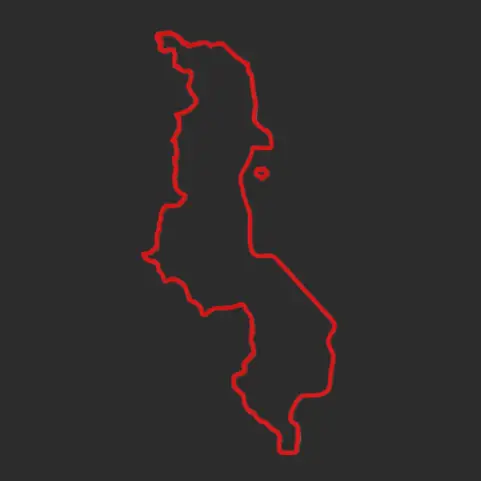
Outline of Malawi

What are the health challenges in Malawi?

Malawi has made significant progress in the past decade, maternal mortality declined by 13% (2015–2020), modern contraceptive use increased to 49%, and neonatal and infant mortality targets were surpassed. Yet Malawi still faces significant health challenges.

Shortages of health workers and lack of local health facilities, particularly in rural areas, drives high rates of maternal deaths as well as high rates of communicable diseases including malaria, tuberculosis and HIV/AIDS. Limited access to clean, safe water and inadequate sanitation infrastructure and hygiene practices lead to outbreaks of cholera and other water-borne diseases.

This is compounded by the effects of climate change. Frequent floods and droughts disrupt food security, increase the risk of malnutrition, and create conditions that help malaria and dengue-carrying mosquitoes to thrive. Cuts to foreign aid budgets in early 2025 have heavily impacted health development programmes across Malawi.
0

per 1,000 live births - this is the under-five mortality rate in Malawi.

0

per 100,000 - the Maternal Mortality rate in Malawi. This is five times the 2030 target with adolescent childbirth contributing over 20% of maternal deaths.

“We’re working for real health change in Malawi.”

What does Amref do in Malawi?

Amref’s work in Malawi focusses on improving maternal and child health, strengthening health worker capacity, and enhancing water, sanitation, and hygiene (WASH) services.

We run health worker training programmes through our mobile and digital learning platforms for Health Surveillance Assistants (community health workers) and registered midwives. Our programmes to improve WASH facilities in schools and communities help to reduce waterborne diseases and improve child health.

Amref Malawi works with the community-led approach to bring health services to people, particularly in rural areas, and improve overall health outcomes nationwide.

Newsroom: Latest Updates

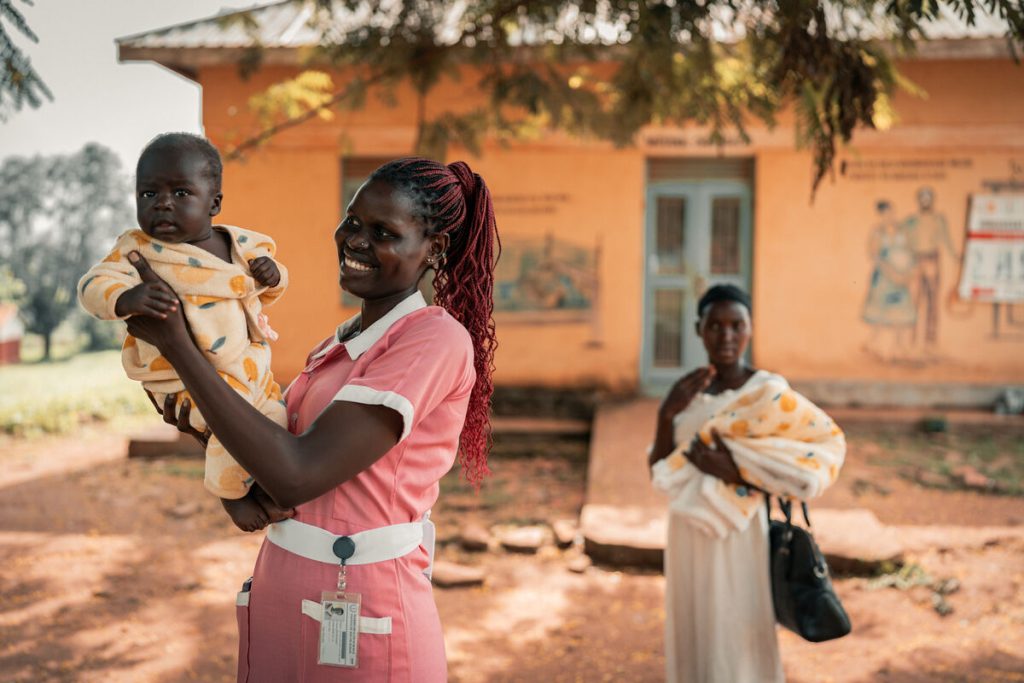
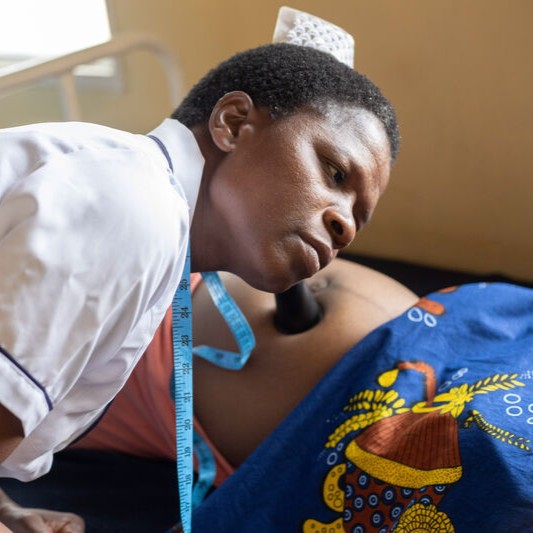
Images: (banner) Rachel Mamboni, Nurse and Midwife Technician, speaking with patient Roseby Chipilala who has come to Mapelera Health Centre in Chikwawa for a checkup with her baby (c) Amref Health Africa / Amaru Photo (1) Phalombe Health Centre after cyclone (c) Amref Health Africa / Amaru Photography