Water and Disease Prevention

Clean water, sanitation and hygiene are the bedrock of good health. Amref works to increase access to clean, safe water, helping to prevent and control disease and to allow people to thrive 

A stronger Africa starts with clean water.

Water means life. Access to clean water significantly reduces the spread of deadly infections which lead to preventable deaths – particularly of children under five. Yet right now:  

0 m

people across Africa lack basic water services.

1 in 3

people across Africa suffer from water scarcity

What does water scarcity mean for people in Africa?

Clean water is the foundation of good health. But in sub-Saharan Africa the number of people without clean water is actually growingthe only place where this is happening in the world.  

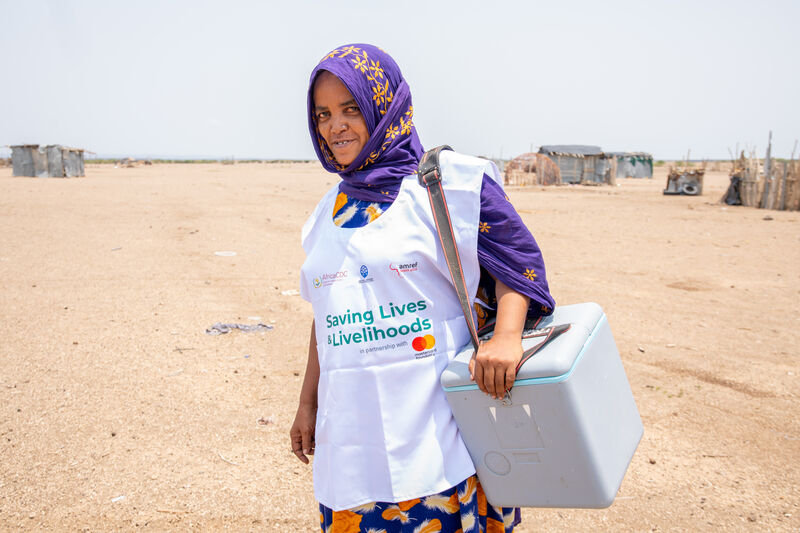
Zeybo Mohammed, a Health Extension Worker, heading to a community vaccination activity holding a vaccination box for vaccines, in Semera, Afar Region in Ethiopia. © Amref Health Africa / Kennedy Musokya

WASH and communicable diseases

The climate crisis is intensifying water scarcity across AfricaExtreme weather events like floods and droughts are damaging sanitation infrastructure and contaminating water supplies. Reliance on contaminated sources leads to high rates of water-borne diseases including diarrhoea, cholera, and typhoid. Unsafe water, sanitation, and hygiene (WASH) are estimated to cause 38 deaths per 100,000 people per year in Africa. Floods leave stagnant water, providing breeding grounds for mosquitoes and aiding the spread of vector-borne diseases such as malaria and dengue.  

WASH and Neglected Tropical Diseases (NTDs)

Water, sanitation and hygiene are critical in the prevention and management of all neglected tropical diseases (NTDs)Sanitation is key to prevent soil-transmitted NTDs and safe water and hygienic conditions in health facilities and in homes are essential for the management and care of many NTDs. 

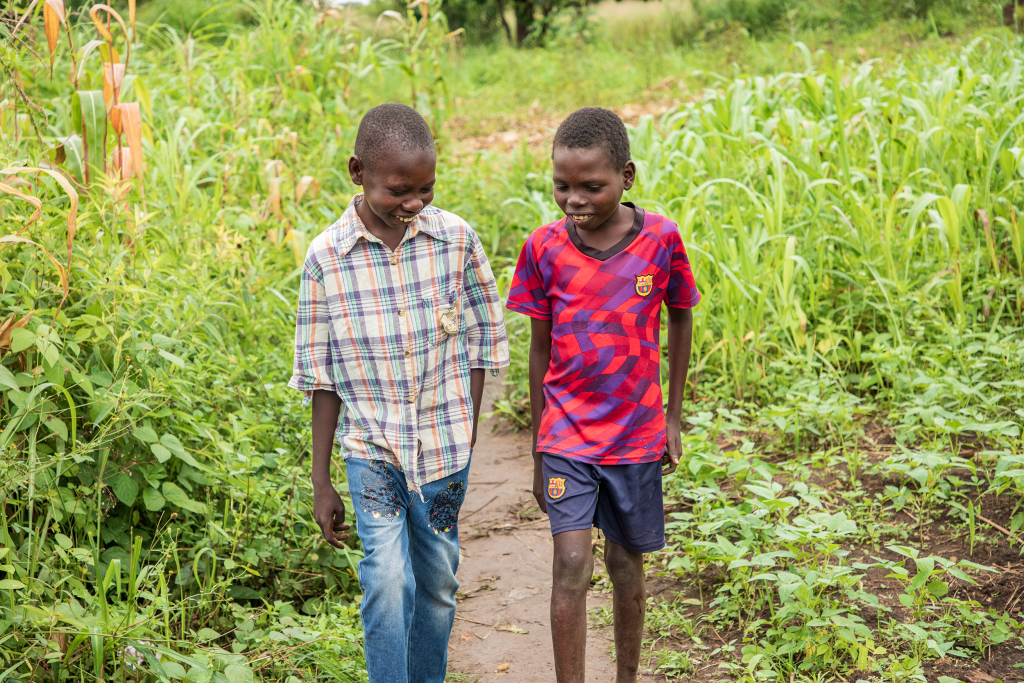
William and Samson, best friends with Nodding Syndrome, walking through their home in South Sudan © Amref Health Africa / Kennedy Musyoka
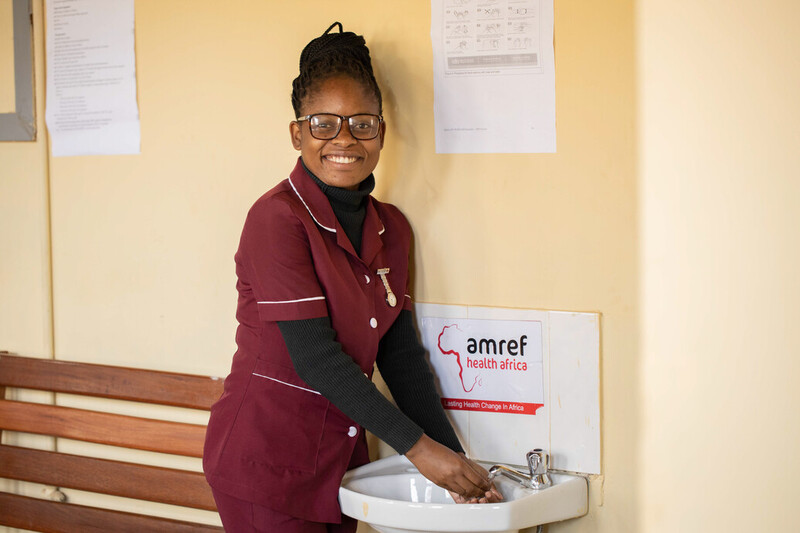
A nurse at Phalombe Health Centre, Malawi, washes her hands. © Amref Health Africa / Amaru Photography

WASH and Antimicrobial Resistance (AMR)

AMR is one of the leading threats to human health. It occurs when bacteria, viruses, fungi and parasites no longer respond to medicines making infections harder to treat and increasing the risk of disease spread, severe illness and death. Tackling it requires a One Health response—on human, animal and environmental health. However, environmental health is often overlooked in this balance. Antimicrobial resistant organisms are common in wastewater and solid waste from humans, animals, and plant production or antimicrobial manufacturing. Byensuring access to sanitation, hygiene and safe water in homes or communities, health facilities and schools, many infections can be prevented which would otherwise be treated with antibioticsincreasing the risk of AMR.    

WASH and gender

When water is scarce, women and girls must miss school and work to fetch waterOn average they spend around an hour to travel to water sources closer to home, or up to several hours a day in drought-prone rural areasThe loss of productive work and learning time both perpetuates gender inequality and leads to loss of income. This leaves less in reserve should people need treatment for water-borne disease 

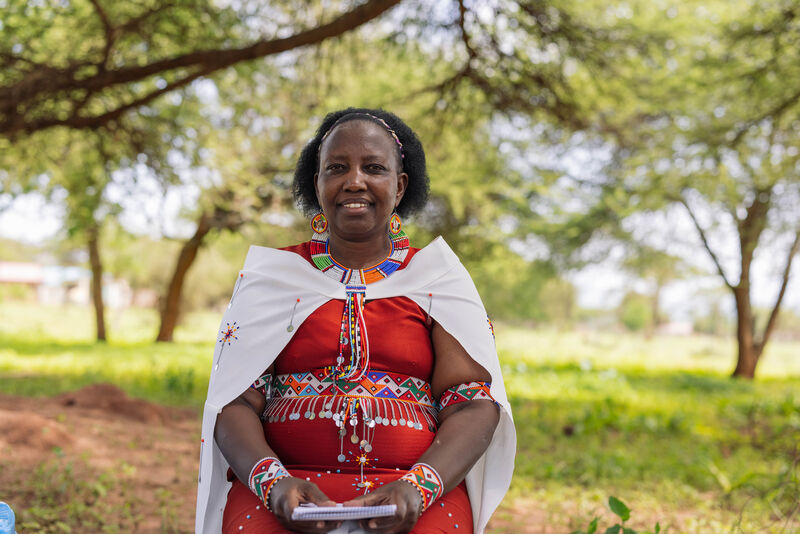
A portrait of Memusi Lente, secretary of the committee organising the Alternative Rights of Passage (ARP) in Kajiado © Amref Health Africa / Sarah Waiswa
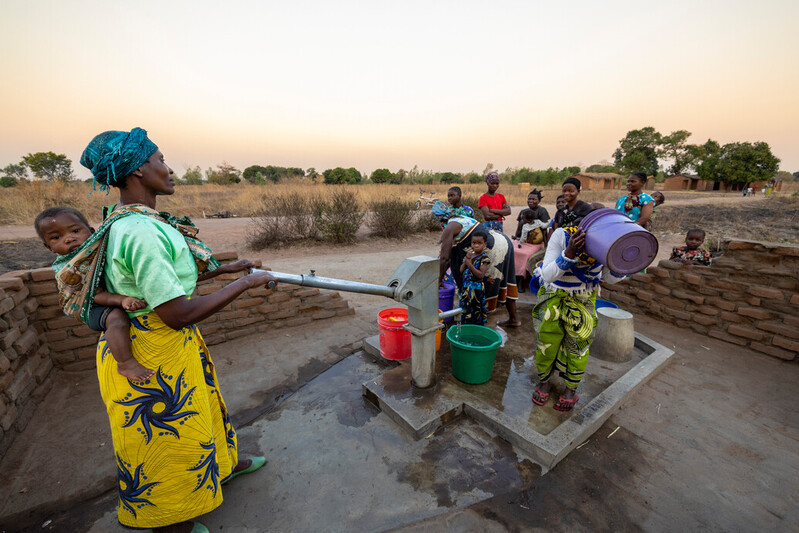
Community water pump in Malawi. © Amref Health Africa / Amaru Photography

WASH and climate change

Climate change-driven severe and prolonged drought drives water scarcity which leads to loss of harvests and livestock deaths. In rural areas of Africa, families are often wholly dependent on their farms and their flock for their income and own daily sustenance. When they lose them, it increases the risk of child, early and forced marriage as a replacement for lost assets. This often leads to early pregnancy and the associated social and health risks. 

The climate crisis is threatening the progress made to increase access to clean water, putting people’s lives, livelihoods and future at risk.  

How is Amref increasing access to clean water in Africa?

Access to water and sanitation are basic human rights. They lay the foundation for good health and prosperity and we recognise water’s fundamental role across our health development work. Amref works with communities to create sustainable access to clean, safe water close to home, school and work.  

Water is in fact the entry point for many of our projects across Africa. We design sustainable water systems with communities. This process is community-led, because every community has unique needs and contexts, and therefore must have a system that works for them, which they own and manage. This approach helps to build trusting relationships with them.  

It gives women and girls back some time in their day. It provides peace of mind to community elders and parents, who no longer have to worry about where they can source clean water, whether their girls are being exposed to gender-based or sexual violence on the journey for water, or whether their families will fall sick. It allows girls to go to, and stay in, school because they don’t have to travel to fetch water and they can manage their periods hygienically at school. And in some models, it helps train community members in new skills, offering a livelihood or small income. 
We work with traditional community knowledge about water, climate and land to build climate-resistant water sources.

In arid and drought-prone regions, we work with communities to integrate traditional knowledge handed down through generations on the local water systems and sources, climate conditions and the landscape and create water solutions. Sand dams construction is one of the climate-resilient water solutions that uses this approach.  

We survey and drill for new boreholes and extend pipelines to serve schools, health centres, places of worship and community halls.

We support communities with expert surveys of the water table and feasibility studies for new boreholes. We plan pipeline extensions to bring clean, safe water as close as possible to people’s homes, schools and health centres.  

We support community-led efforts to rehabilitate boreholes and build solar-powered pump systems.

With communities, we map and survey existing defunct sources and support repair and rehabilitation. This includes co-designing pump systems suitable for community usage. This could be a hand pump, or a fuel-powered pump, or a solar-powered pump. 

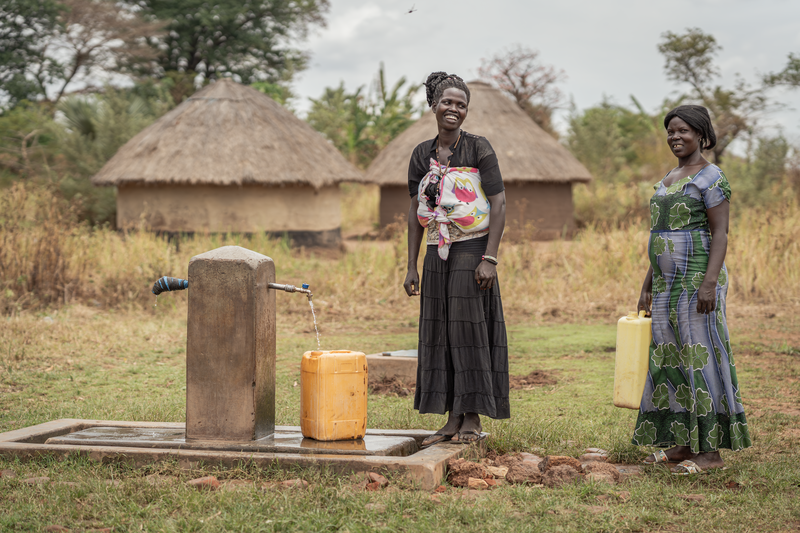
Alice Oroma and Betty Acayo at the water pump in Jimo Village, Amuru District, Northern Uganda. © Amref Health Africa/ Steve Kagia

We train community members on water management and support them to create Water Management and Use Committees.

To ensure solutions are sustainable, we train community members as technicians on their own water pumping systems. This provides small income from new livelihoods but also ensures that any problems can be quickly and locally resolved. Our projects also support communities to create their own Water Management and Use Committees to ensure that water sources are well-managed, maintained, and free from conflict. 

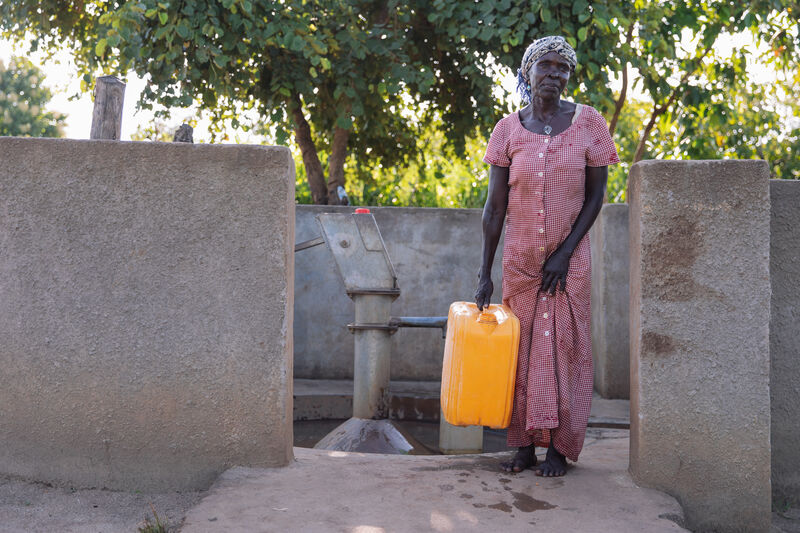
Christine Achiro collects water from the borehole constructed by Amref in Moinya Village, Adropi sub county Adjumani. © Amref Health Africa / Sarah Waiswa

We integrate Water, Sanitation and Hygiene education in our projects.

Water, sanitation and hygiene are inextricably linked. They are also key components of other health development work including infectious disease prevention, education, and gender – including ending FGM/COur projects fully integrate WASH in our holistic approach to ensure that we are addressing the totality of community health development needs. This includes advocacy, awareness, and behaviour change activities such as safe hygiene practices, preventing water-borne diseases, menstrual hygiene management, toilet construction, and community-led sanitation including ending open defecation.  

We are collaborating across sectors to create Africa-led action on AMR

Anti-Microbial Resistance (AMR) is becoming an increasingly significant challenge in the global health sector. We work to bring together stakeholders – decision-makers and organisations – across the human, animal and environmental health sectors in an AMR Action Group in, and for, Africa. This group works to strengthen leadership and local ownership for AMR action in the African region through health workforce training on AMR, community engagement and supporting AMR action at the local, national and regional levels. Read more about our work on AMR here. 

Elistina Godfrey is a grandmother, living in rural central Malawi.  

At the age of 80, she used to walk for miles to fetch clean water for herself and her grandchildren—for whom she’s the sole carer. When the sources ran dry, or were contaminated by animal faeces, she had no choice but to go without water.  

Watch Elistina explain how access to clean, safe water has transformed her life. 

Newsroom: Latest Updates