AI in Africa is already delivering impact—not just potential
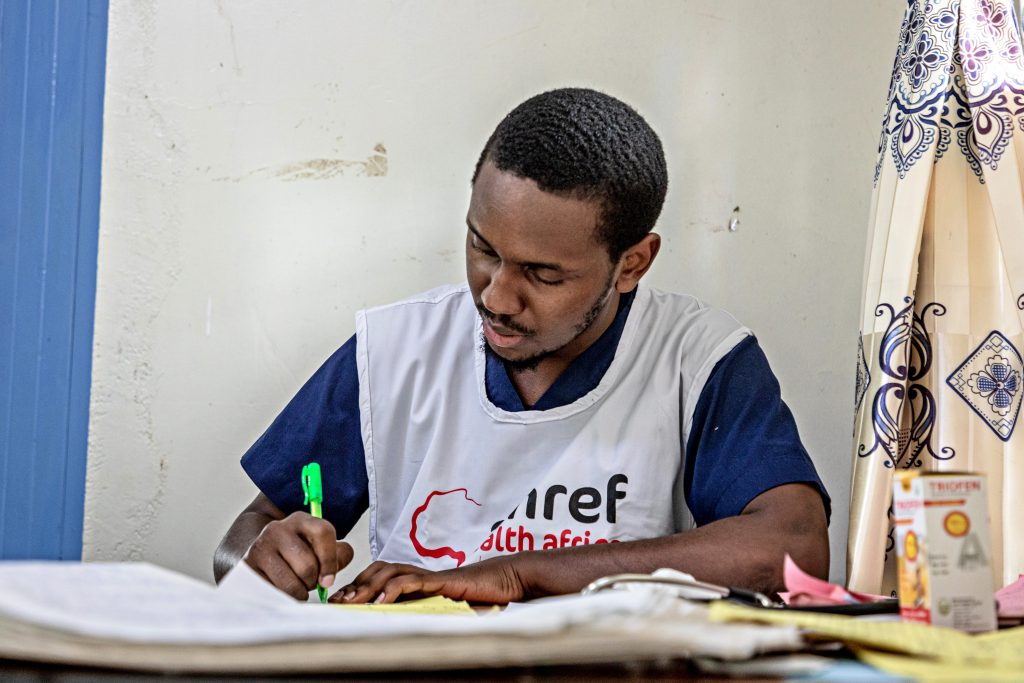
AI is no longer theoretical. Across health systems, it is being embedded into existing infrastructure to support frontline workers. For example, AI-powered tools integrated into national systems like Kenya’s eCHIS are enabling Community Health Assistants to validate data, identify trends, and act in real time. In practice, 76% of users identified new health trends, improving early intervention.

AI is strengthening—not replacing—health systems
The most effective approaches build on existing systems rather than creating parallel solutions. By integrating AI into electronic medical records and national platforms, organisations are improving data quality, resource allocation, and accountability—shifting health systems from reactive to proactive.
Real-world outcomes are already visible
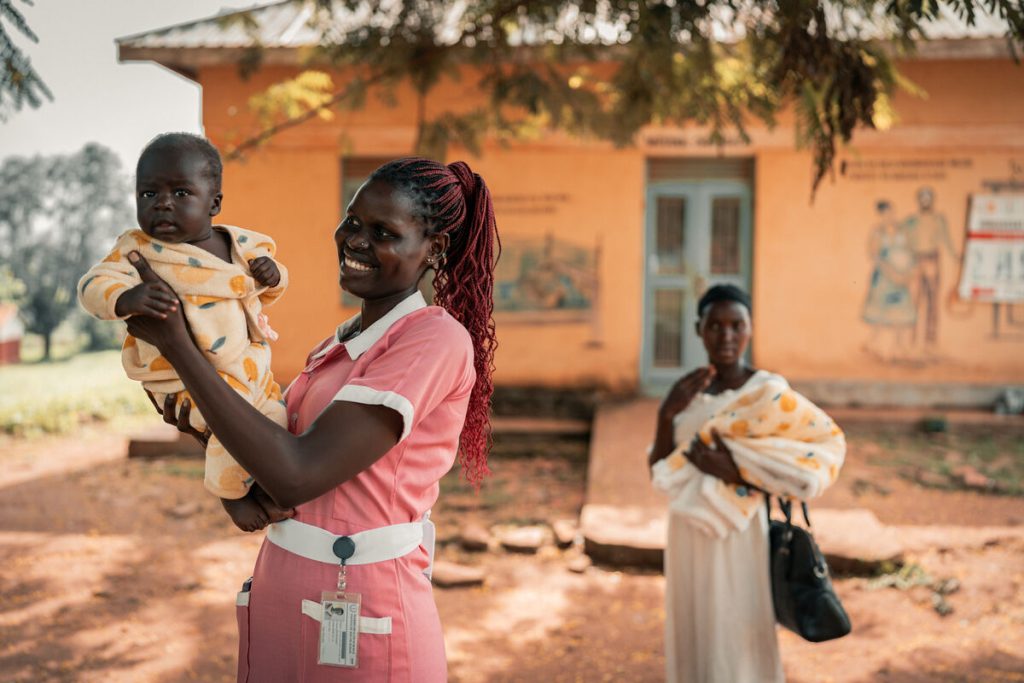
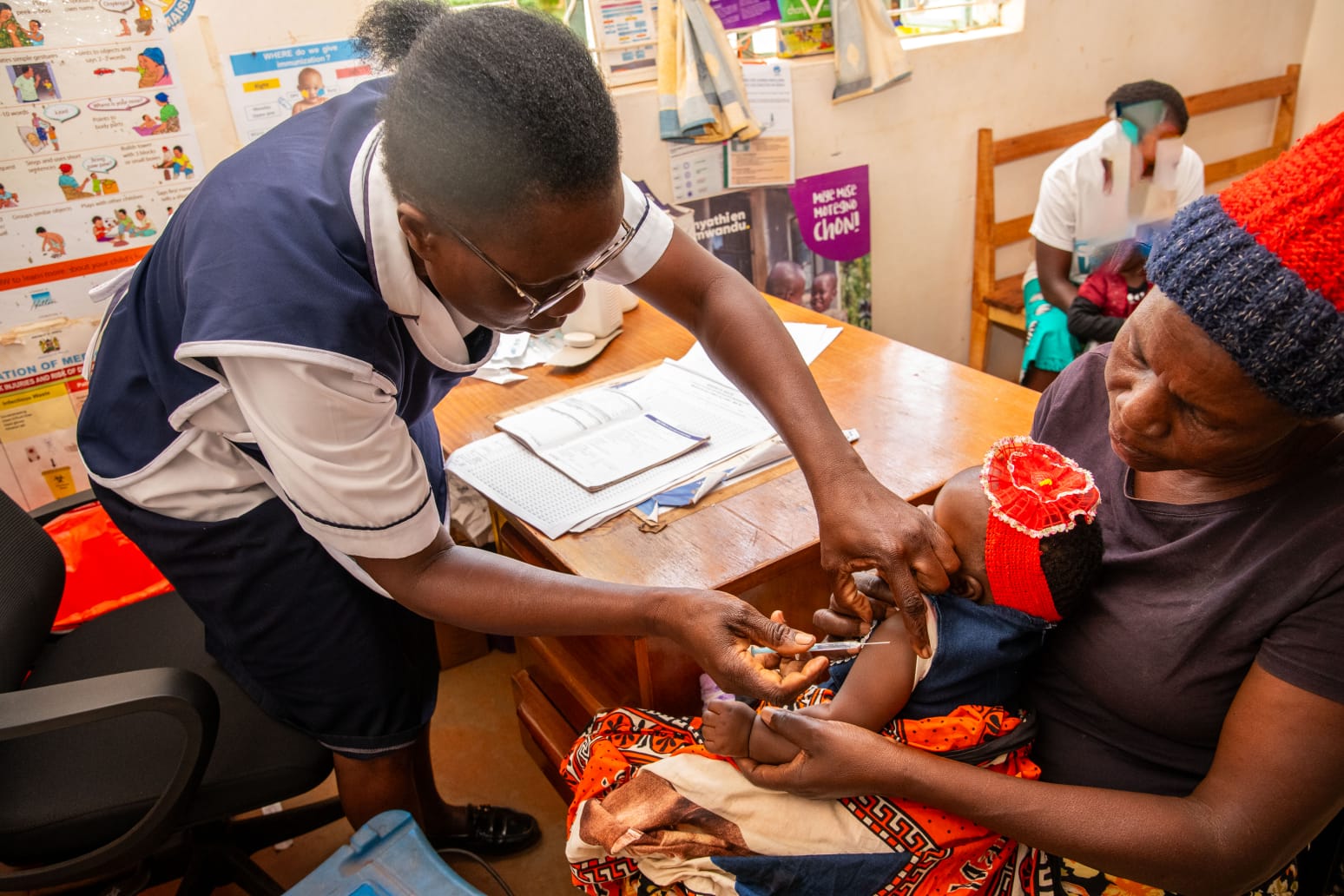
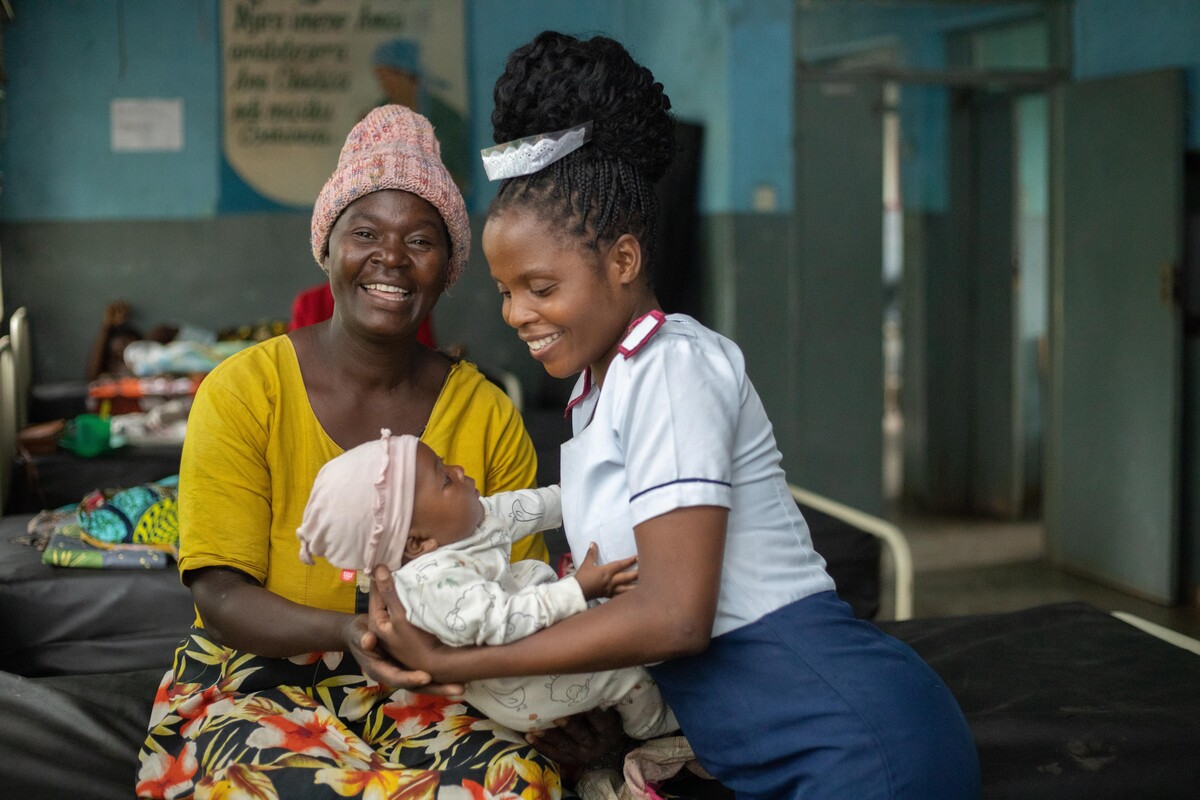
AI-enabled programmes are contributing to measurable improvements in maternal and child health. Initiatives like Uzazi Salama are increasing antenatal care attendance, skilled deliveries, and immunisation rates—demonstrating how digital tools can drive population-level impact.
Inclusion must be intentional to avoid widening inequality
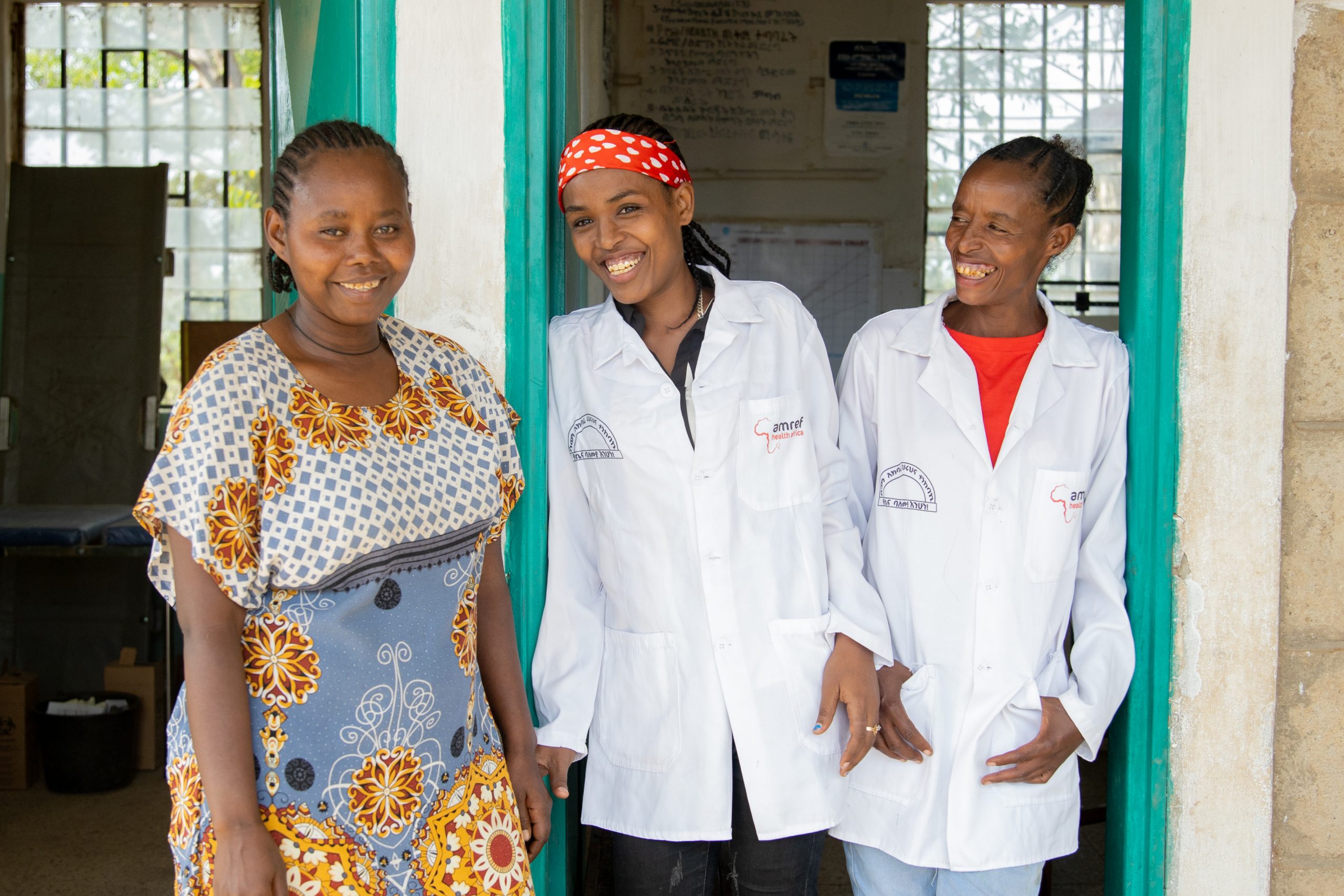
A recurring theme at the LSE Africa Summit was the risk of AI deepening rural-urban divides. However, when designed for low-resource settings—using SMS, USSD, and offline functionality—AI can expand access. Community-first delivery models ensure even rural and low-income populations benefit.
Scaling AI in Africa requires system-level change
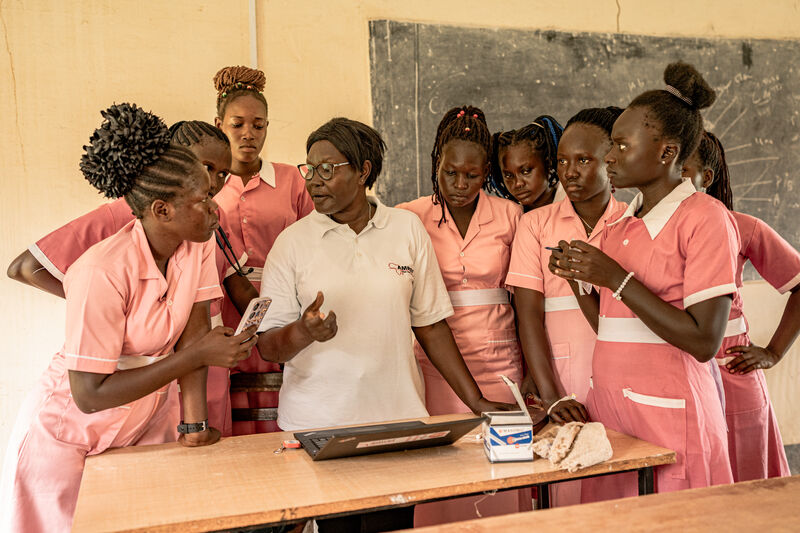
Speakers emphasised that unlocking AI’s potential will depend on: • Moving beyond pilots to national scale • Investing in data systems, interoperability, and governance • Designing tools for frontline users • Expanding digital access and literacy • Strengthening partnerships across government, private sector, and NGOs