By Camilla Knox-Peebles, Chief Executive, Amref Health Africa UK
The Skoll World Forum, along with the Side Bar and Marmalade Festival truly transform Oxford – my hometown.
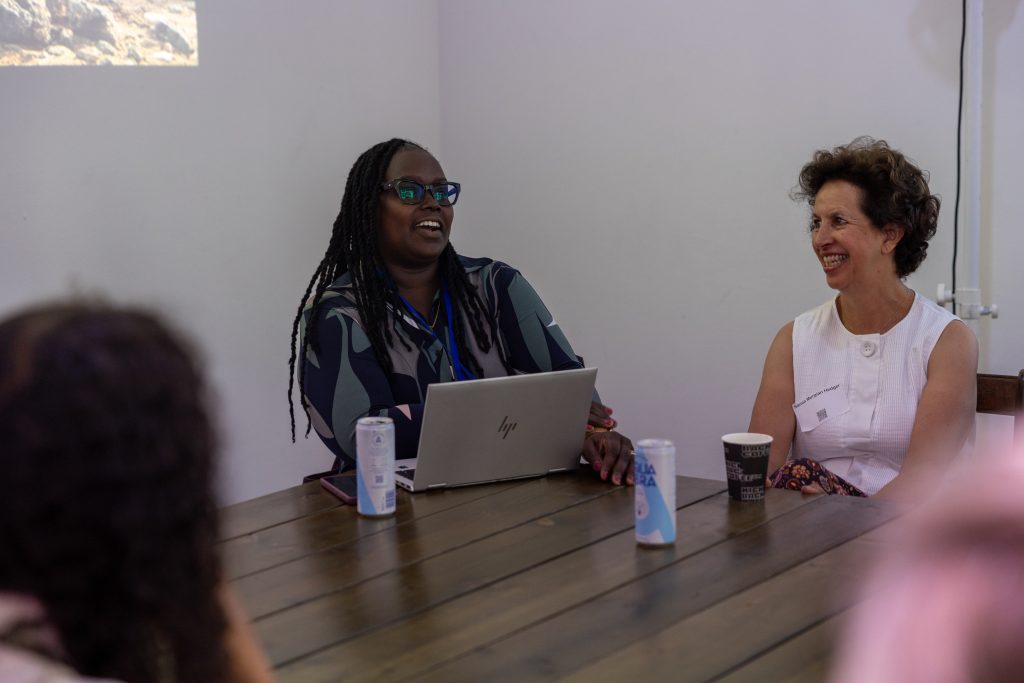
The energy is unlike any other time of year: people from around the world walking the streets with the same lanyard round their neck, chatting, smiling, open and curious. I felt genuinely proud of Oxford’s residents too, who I witnessed being warm, helpful, and welcoming everywhere I went. The beautiful sunny weather didn’t hurt either.
I always come away from the week buzzing with ideas, inspiration and positivity. Here are the three key things I’m taking forward with me from the week.

1. The highest‑impact solutions share a common DNA: cost‑effectiveness, evidence, and scale
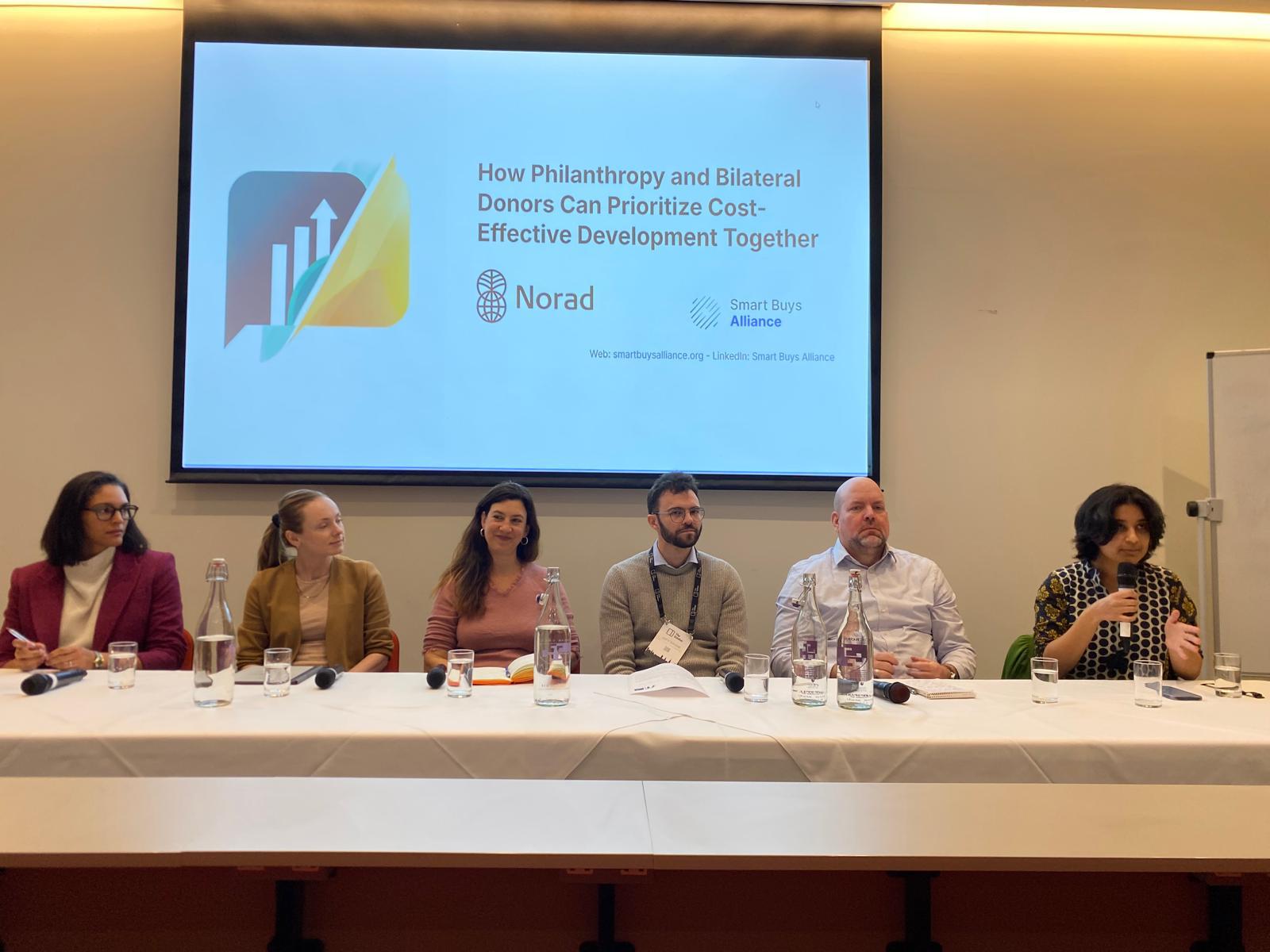
Across sessions I attended one theme kept resurfacing: the global health and development community is doubling down on interventions that deliver the biggest return per dollar. This is not new by any means, but it is becoming the organising principle for how philanthropies, governments, and alliances choose what to fund.
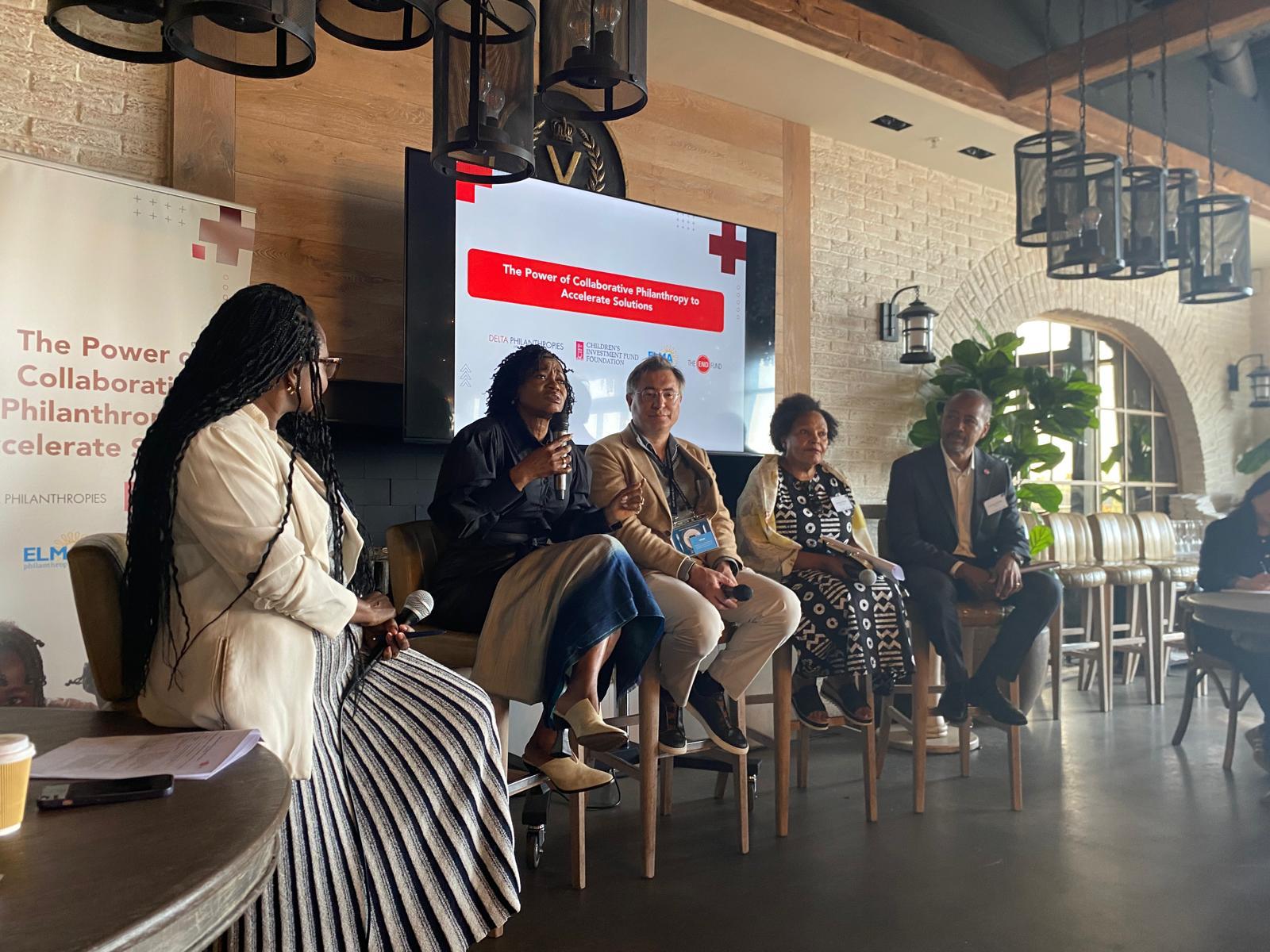
I repeatedly heard:
- Cost‑effectiveness linked to impact is king (Chris Hohn’s mantra at CIFF and beyond)
- Evidence unlocks funding (CHU4UHC’s county‑level exemplar data strategy)
- Scale is the endgame (NTD elimination, mass RUTF production, Smart Buys Alliance’s prioritisation model)

2. Collaboration is the engine of real impact
We can only move the needle on big problems when institutions pool money, networks, and political capital. No single actor can deliver systemic change, but aligned actors can bend the curve dramatically. Indeed—this drive for new and innovative alliances and coalitions is what powers the week!
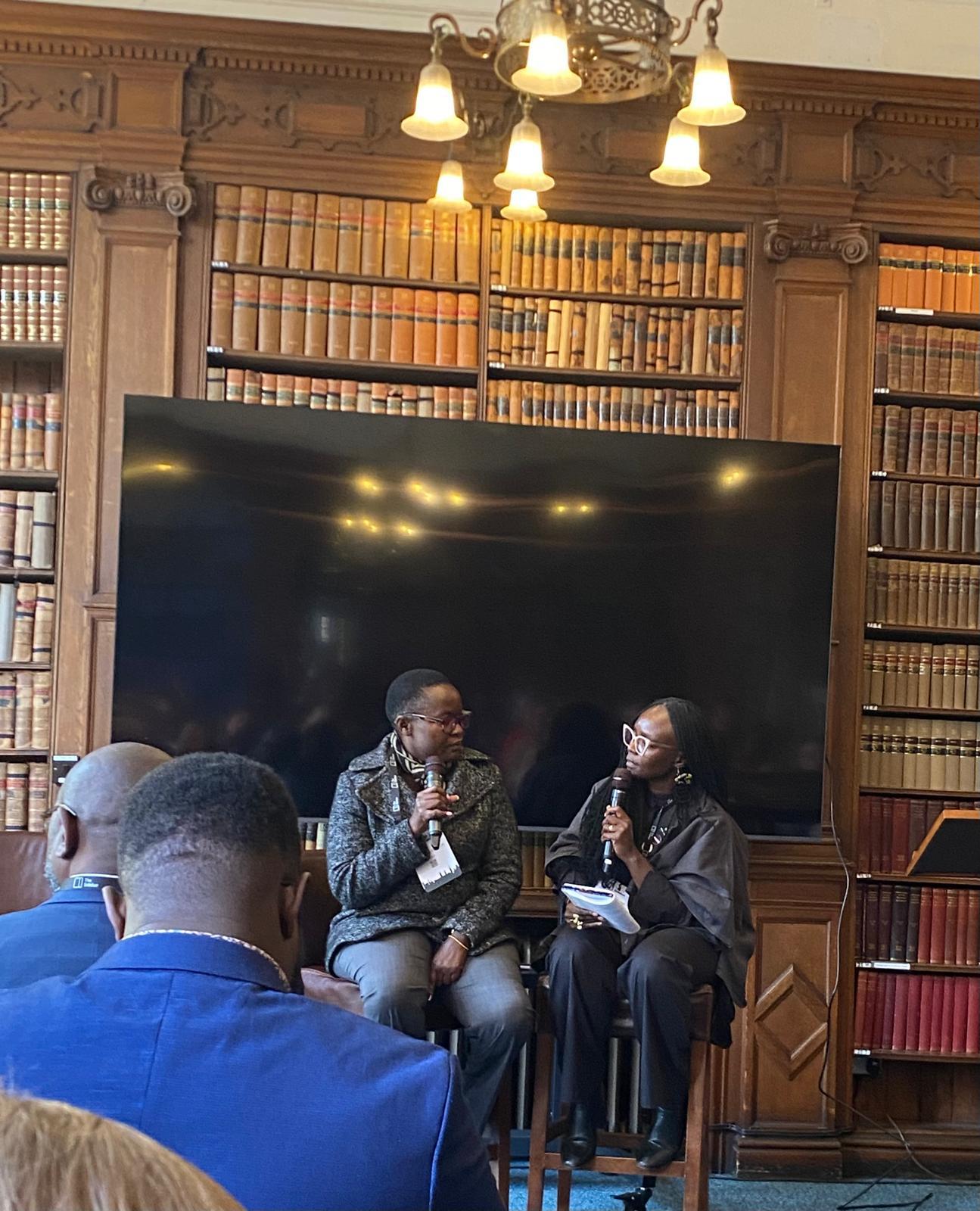
I heard some inspiring examples:
- Philanthropies forming “powerhouse” coalitions to leverage the World Bank funding to create enabling environments for change
- Innovative match-funding models driven by philanthropies for ‘moonshot’ goals – such as the Eleanor Crook Foundation and CRI Foundation’s Operation End Starvation which is mobilising a $300M pipeline
- CHU4UHC’s 20‑partner model aligning government, NGOs, and communities

3. Community-rooted solutions are gaining global recognition
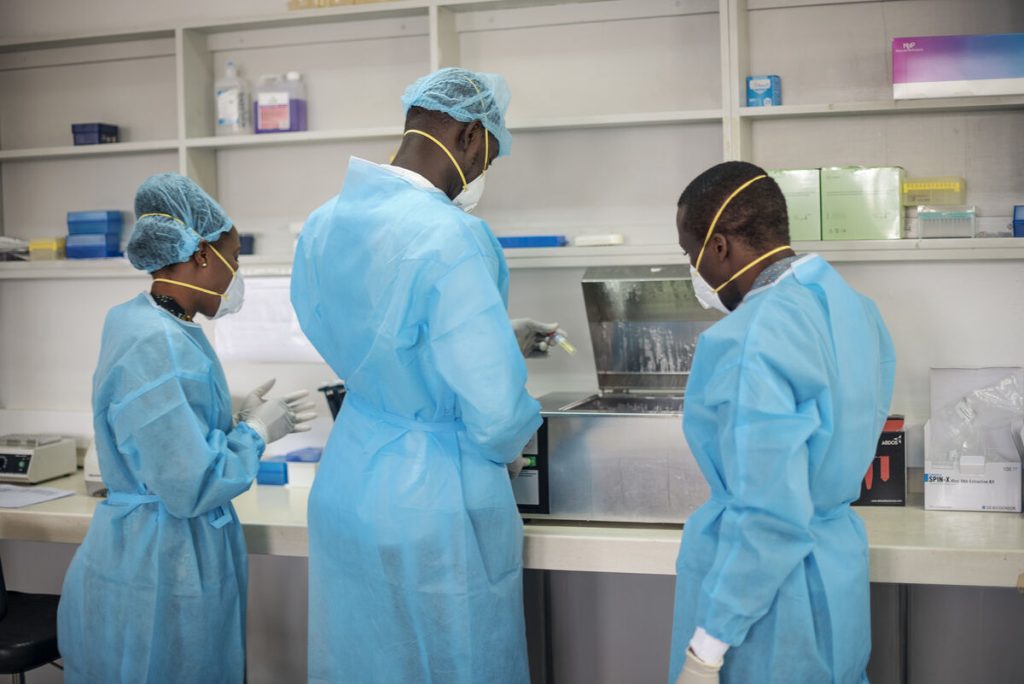
We know good health starts with people—and global health solutions need to be centred on the people closest to the problem. In the rooms at Side Bar and Skoll, respect for lived experience and local leadership is truly central in discussions. Whether it was helping train, equip, support, remunerate Community Health Workers in Kenya, mass drug administration campaigns, or BRAC’s financial inclusion work, I saw a consistent shift toward ground-up solutions at the centre and leading discussions.
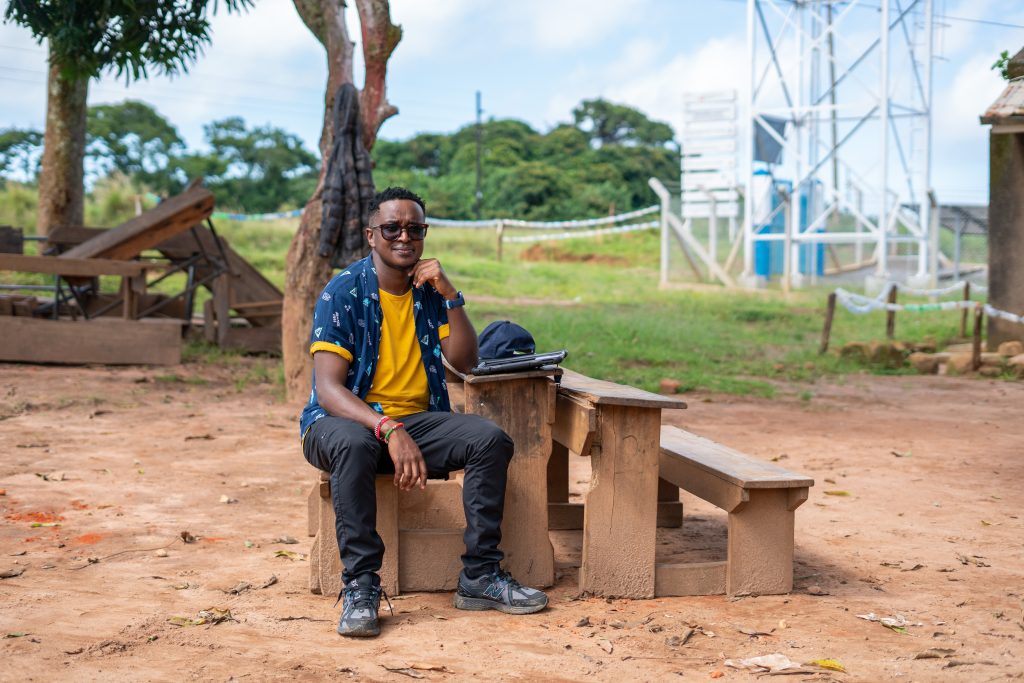
Finally, none of this thinking or these discussions are possible when we’re in rooms where we all look and speak alike. The incredible diversity of attendees across cultures, professions, and ages makes this possible. I met students, philanthropists, foundations, government donors, teachers, entrepreneurs, fund managers, alliance representatives, NGOs, private‑sector actors, and local government officials from all over the world.
Everyone was there with the intention to learn, share and work together, to reduce inequality and drive social impact.