Strengthening Primary Health Care to Accelerate Malaria Elimination
By Dennis Kinyua (Amref Kenya), Luundu Machona-Hamukale and Levy Mkandawire (Amref Zambia) – programme managers, Primary Healthcare for Malaria Elimination
Malaria remains a major public health challenge in both Kenya and Zambia, despite significant progress over the past decade.
In Kenya, malaria transmission is geographically concentrated around the lake regions. Malaria incidence declined by approximately 50% between 2020 and 2025, while malaria‑related deaths dropped from 105 deaths in 2021 to 32 deaths in 2025. These data reflect the gains made in early diagnosis, effective treatment and health system responsiveness. However, Kenya is now confronting emerging artemisinin resistance markers (PfK13 mutations) in western counties, posing a serious threat to these gains.
In Zambia, malaria remains endemic nationwide, with high transmission in rural and hard‑to‑reach districts. While progress has been made through strengthened primary health care (PHC), malaria continues to place significant pressure on health services, particularly for children under five who accounted for over 20% of the more than 7.3 million cases reported nationwide in 2025.
The GSK‑funded Primary Healthcare for Malaria Elimination programme is strengthening healthcare systems in Kenya and Zambia. Here are four ways the programme is sustaining progress and addressing emerging threats in Kenya and Zambia.
Persistent access gaps and treatment delays
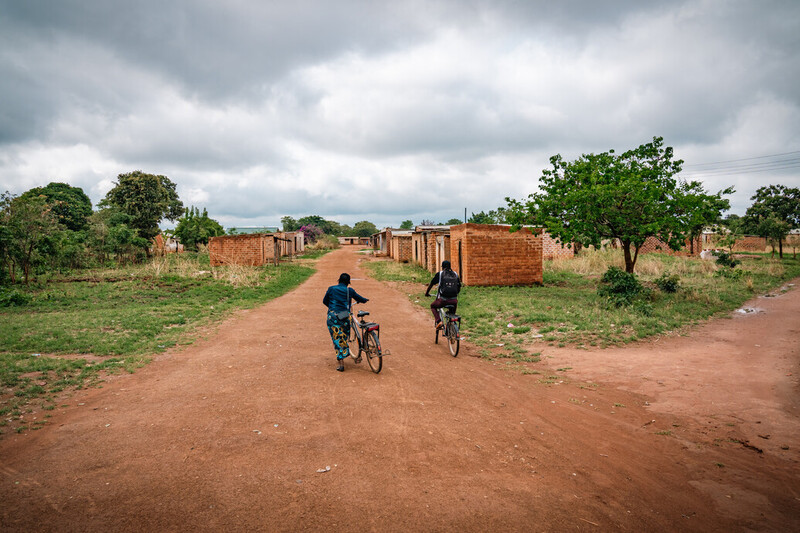
Across both countries, geographical access remains a central challenge. Long distances between households and health facilities delay diagnosis and treatment, increasing the risk of severe disease. These barriers disproportionately affect rural communities and contribute to health facility congestion when cases present late.
The response: community-based service delivery (diagnosis and treatment) for early response
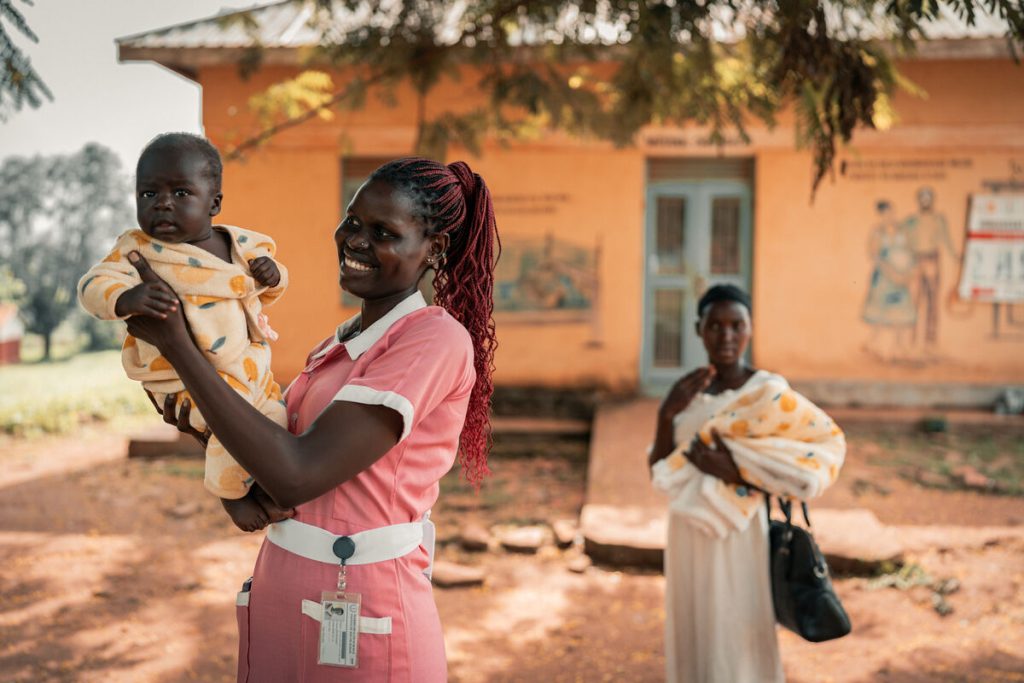
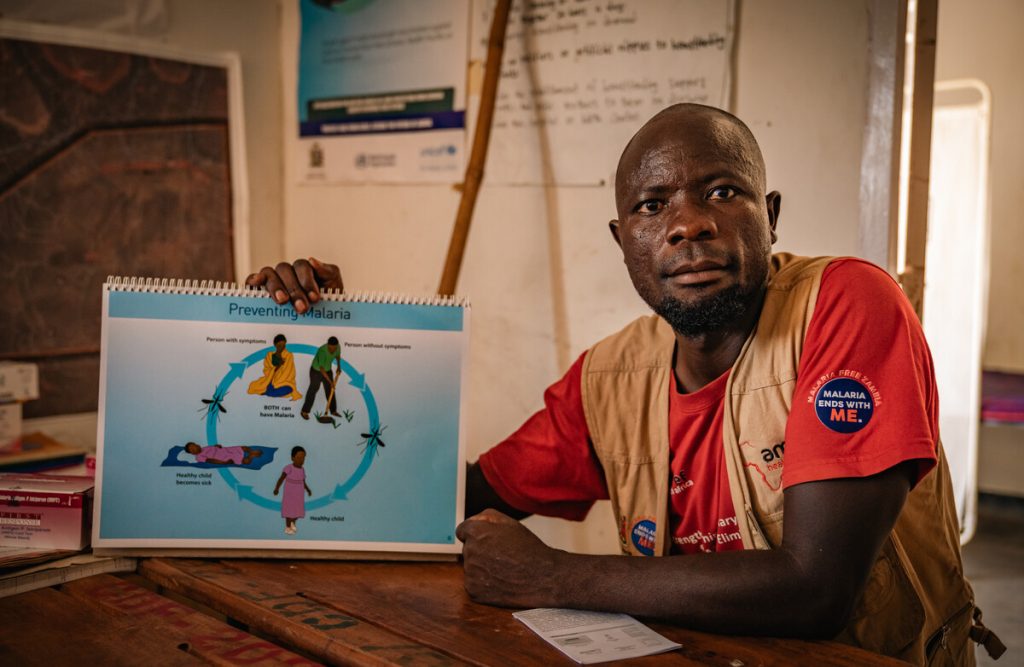
The programme places community health workers (CHWs) at the centre of malaria service delivery. In Kenya, Community Health Promoters (CHPs) now manage the majority of malaria cases in some counties, while in Zambia trained CHWs provide testing, treatment, referral and follow‑up directly at household level. This approach brings care closer to communities, shifts case management upstream, and reduces pressure on overstretched facilities.
Health workforce constraints and sustainability
Both Kenya and Zambia face long‑standing challenges related to health workforce coverage, motivation and retention, particularly at community level. Inconsistent funding and limited formal integration of CHWs into national systems have historically undermined scale‑up and continuity.
The response: investing in the health workforce
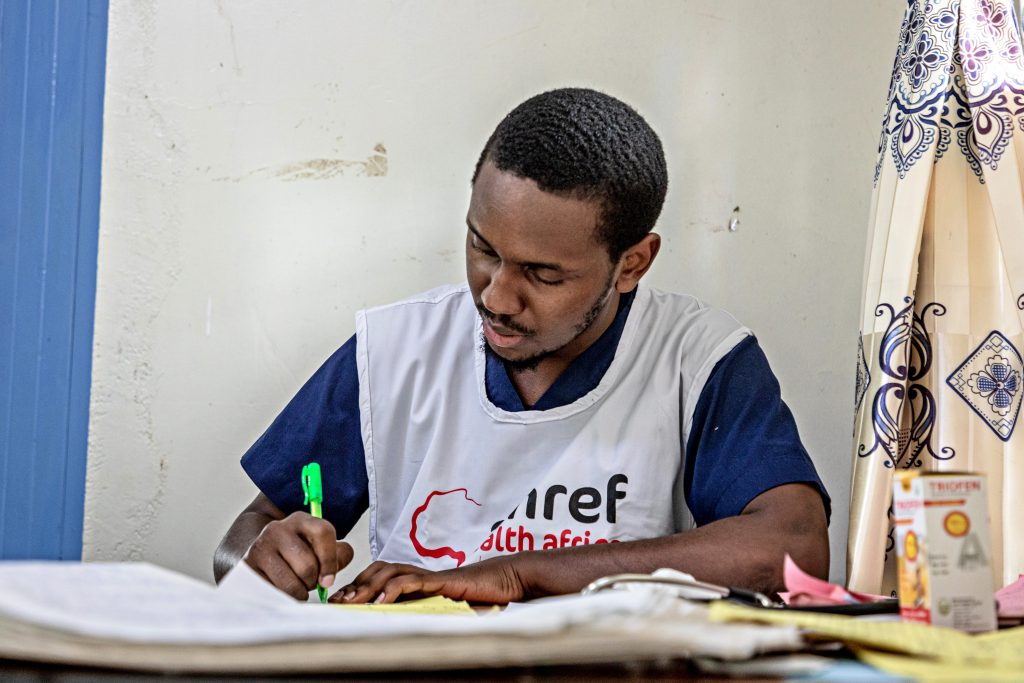
The PHC for ME programme strengthens workforce capacity through large‑scale training, supervision and system integration. In Kenya, CHPs are now formally recognised as Level 1 health workers, with government‑backed monthly stipends improving retention and accountability. In Zambia, investments in training, deployment and supportive supervision have improved CHW coverage and performance, while strengthening district ownership of malaria responses.
Data quality, surveillance and decision‑making
Weak data systems limit the ability to track malaria trends, identify hotspots and respond quickly to emerging risks. This challenge is amplified as malaria patterns become more diverse and climate‑sensitive.
The response: strengthening data collection, reporting and analysis for decision-making
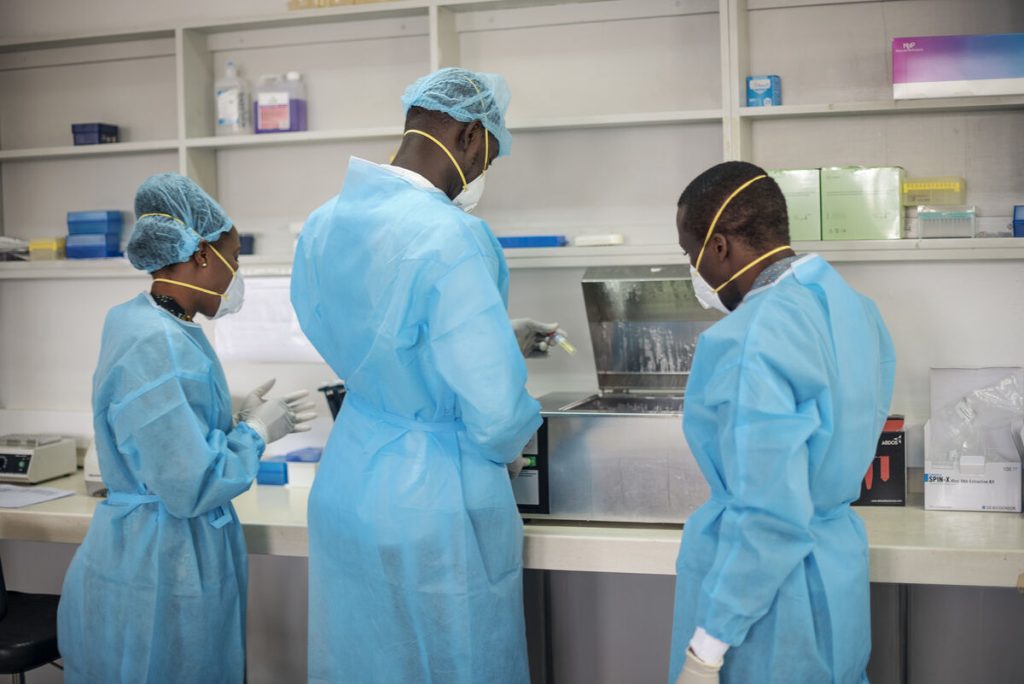
The programme emphasises strengthened routine data reporting and use for decision‑making at facility, district and county levels. In Zambia, strengthened community-level reporting has enhanced surveillance, enabling earlier identification of trends and more responsive, targeted action at community and facility level. In both Zambia and Kenya, integration with National Malaria Control Programme systems supports evidence‑based planning, including targeted vector control interventions and systematic monitoring of drug resistance.
Climate variability and changing transmission dynamics
In both countries, climate variability—including prolonged or intense rainfall—has increased mosquito breeding sites and contributed to fluctuating transmission patterns. These changes complicate planning and require more adaptive approaches.
The response: integrating malaria services into primary care systems
By embedding malaria services within resilient PHC systems, the programme improves early detection and rapid response capacity, allowing health systems to absorb climate‑driven surges more effectively. Community‑based surveillance and social and behaviour change interventions also help maintain prevention and treatment uptake during transmission peaks.
An emerging challenge: resistance
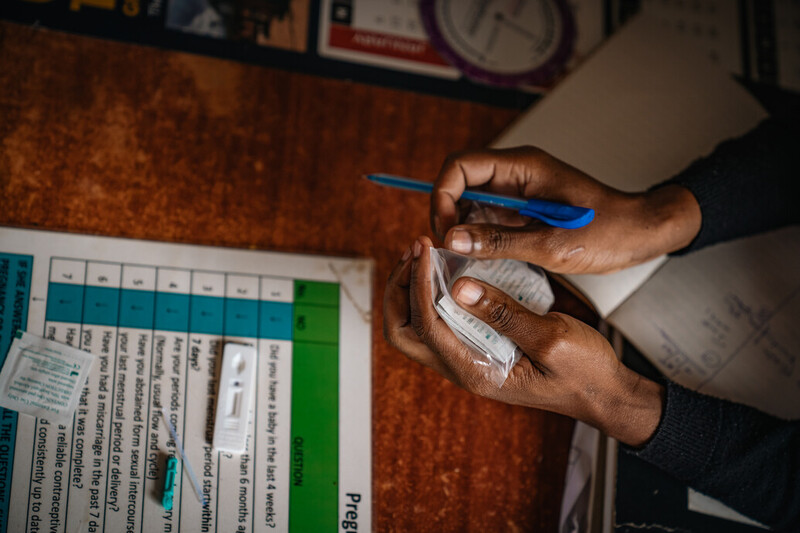
In addition, Kenya’s most pressing emerging challenge is the detection of PfK13 artemisinin resistance markers, particularly in Busia County and other lake endemic areas. Reduced parasite sensitivity threatens treatment efficacy and could reverse recent gains if not addressed decisively.
The programme supports the national strategy for proactive mitigation through the development of Multiple First‑Line Therapies (MFTs), using a rotational approach to reduce drug pressure on individual molecules. National guidelines are scheduled for launch in April 2026, with phased rollout beginning later in the year. The programme’s strengthened surveillance and community case management help ensure early treatment success while national systems adapt to the resistance threat.
Kenya also faces uneven community case management coverage, with some counties achieving high CHP engagement while others lag behind. Addressing these gaps remains a priority to ensure equitable progress toward elimination.
In Zambia, the key constraint is limited and unpredictable funding, which restricts full district coverage, vector control scale‑up (such as indoor residual spraying and larviciding), and long‑term planning. These constraints are compounded by emerging drug and insecticide resistance risks and the need to integrate cross‑cutting issues such as antimicrobial resistance (AMR) into frontline services.
The PHC for ME programme strengthens multisectoral coordination and advocates for increased domestic resource allocation at national and sub‑national levels. The programme also places strong emphasis on community engagement and social behaviour change, addressing cultural beliefs, misinformation about insecticide‑treated nets, and low perceived malaria risk that still limit prevention and treatment uptake in some communities.
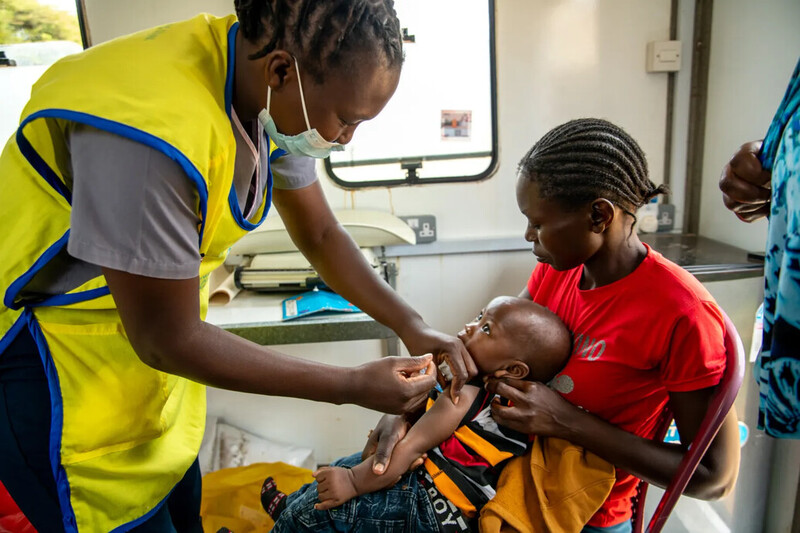
The impact of this approach is visible at facilities such as Mutiti Rural Health Centre, where over 90% of malaria cases are now detected and managed at community level, resulting in fewer severe cases, reduced facility congestion and improved delivery of other essential services.
A shared pathway toward resilient malaria elimination
Across Kenya and Zambia, the PHC for Malaria Elimination programme demonstrates that malaria elimination is inseparable from strong primary health care systems. By investing in community‑based delivery, health workforce integration, data‑driven planning and local ownership, the programme is not only reducing malaria burden today but also building resilience against future threats—from resistance to climate change.
While challenges remain, the technical evidence from both countries shows that shifting malaria care into communities, supported by robust PHC systems, is a decisive step toward sustainable elimination.