As Fundraising Content Manager at Amref Health Africa, based in Nairobi, Kenya, Wesley Koskei works closely with communities to gather and share stories from the people at the heart of our work. For Wesley, storytelling is about more than capturing powerful experiences. It is about ensuring stories are shared safely, respectfully and ethically.

"People’s lives continue long after I have left that community or told that story," Wesley says. "Their dignity and safety always have to come first."
Wesley Koskei
Putting people's safety first in stories
“For me, the first question is always, could this story cause any harm to the person?”
Even when someone gives consent, he considers how sharing their story could affect them later. Could it lead to stigma or change how they are treated by their family or community?
While working with survivors of sexual and gender-based violence in Uganda, Wesley and the team carefully considered how stories were shared to protect survivors’ privacy and well-being.
"Sometimes the strongest story is not the one with the most painful details. Sometimes it is better to focus on the support around survivors or the strength they show."
Looking at Africa beyond hardship
Wesley believes communities across Africa are often defined only by hardship, but there is far more to their stories.
“They are creative, funny, generous and hopeful... they’re already organising themselves, trying to find solutions and supporting each other in whatever little they have.”
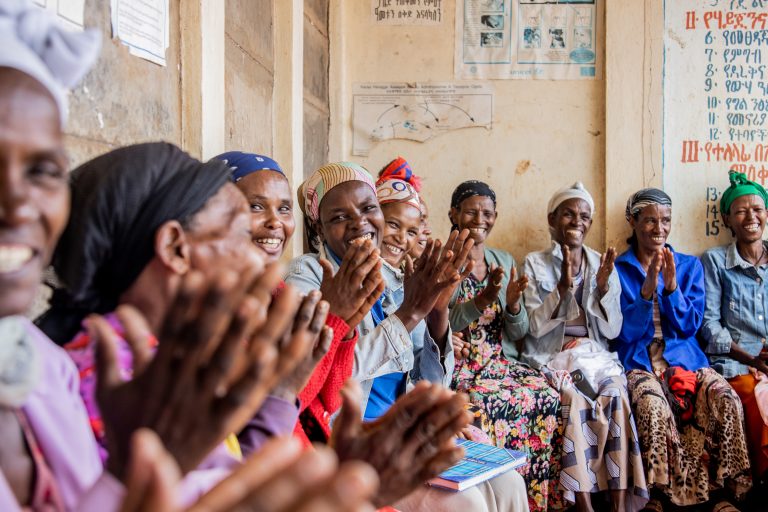
He remembers meeting women in southern Ethiopia who had created a shared community fund to help families access healthcare and start small businesses.
“They already know what needs to change. They just need partners who will listen, invest and work with them.”
Finding motivation in challenging situations
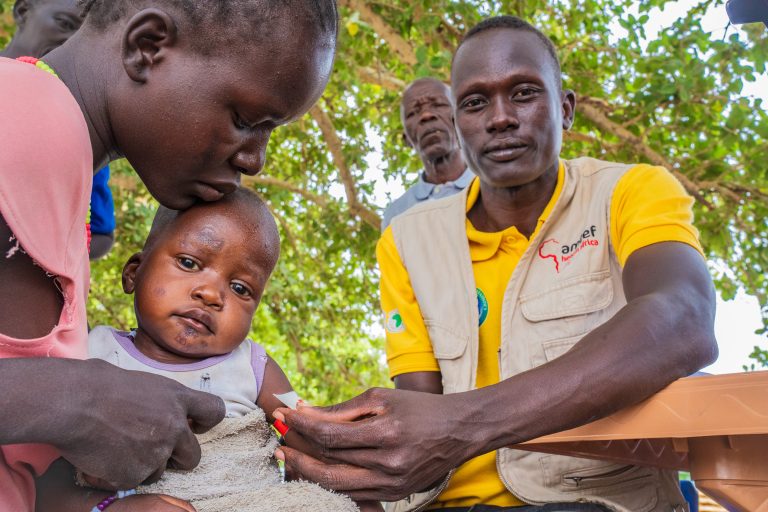
Some stories stay with Wesley for a long time after he leaves a community. In South Sudan, he met mothers who had travelled for days to reach medical care, sometimes arriving too late to save their babies.
“You realise how different things could be if healthcare were closer and easier to access.”
At the same time, he is continually inspired by the resilience of healthcare workers and communities who continue supporting others despite difficult circumstances.
“I try to focus on the people who are pushing back against those challenges… the health workers, the community health workers, the mums, young people, who are going against the grain to stand up for themselves.”
Storytelling is more than just telling stories
For Wesley, ethical storytelling means understanding not only what should be shared, but also what should be protected. It also means recognising the diversity of communities across Africa.
He recognises every community has its own experiences, strengths and identity, and that storytelling should reflect both the shared challenges people face and the uniqueness of each place and person.
“Africa is not one story. A fishing community in Uganda is different from a mother-to-mother group in Ethiopia or a wetland community in Zambia.”
Banner Image: Wesley Koskei (c) Amref Health Africa/Steve Kagia