On 16 May 2026, the World Health Organisation (WHO) reported an outbreak of Ebola virus disease in Ituri Province, Democratic Republic of Congo (DRC).
The report confirmed eight cases, 246 suspected cases, and 80 suspected deaths across the Bunia, Rwampara, and Mongbwalu health zones.
The outbreak extended beyond DRC’s borders, with two confirmed cases in Kampala, Uganda between 15–16 May 2026. The two people concerned travelled from DRC to seek better treatment and care in Uganda. To date, one of these people has died while the other person remains in an isolation unit in Mulago National Referral Hospital.
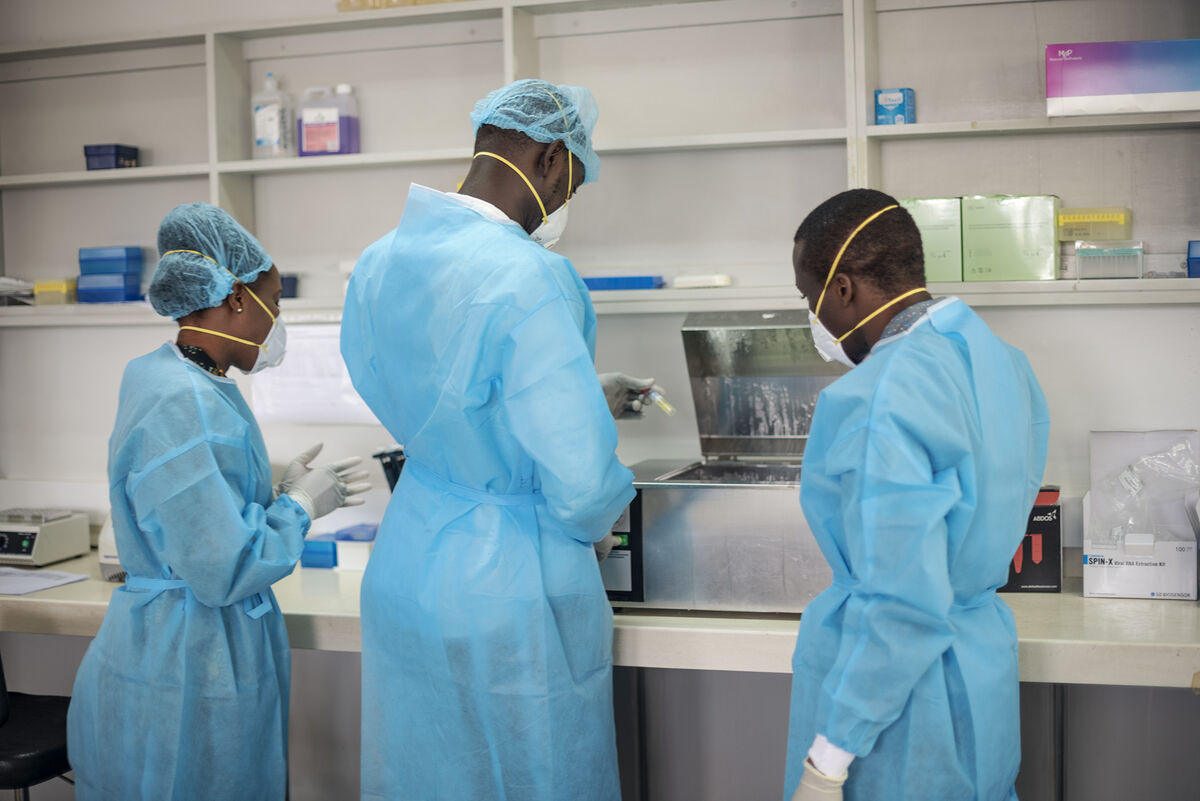
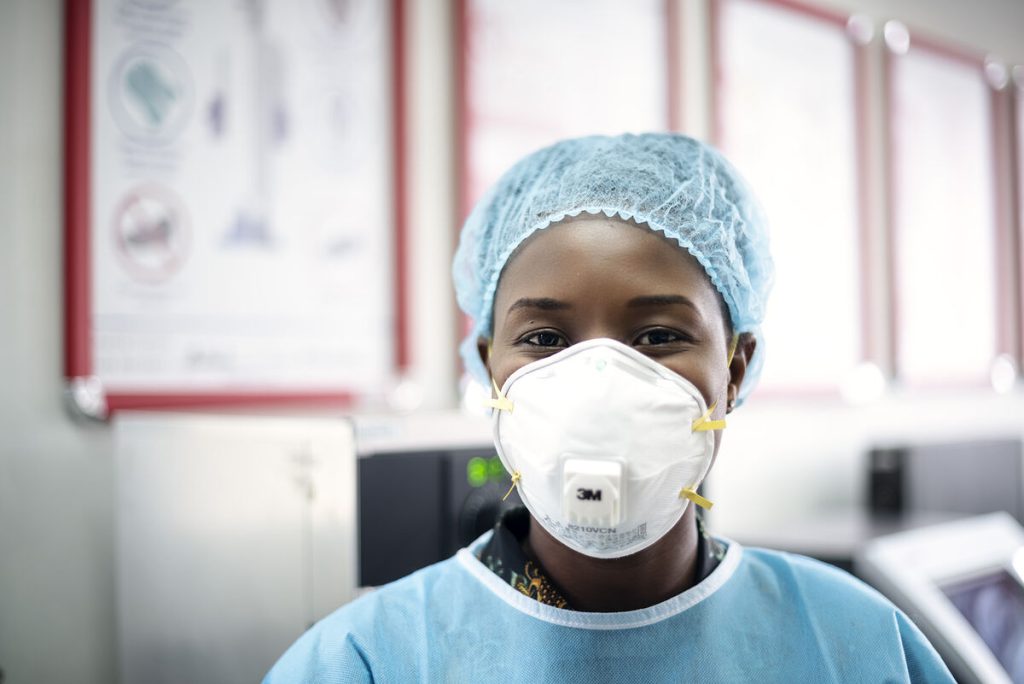
Lab technicians at Amref Central Laboratory (c) Amref Health Africa/Kevin Gitonga
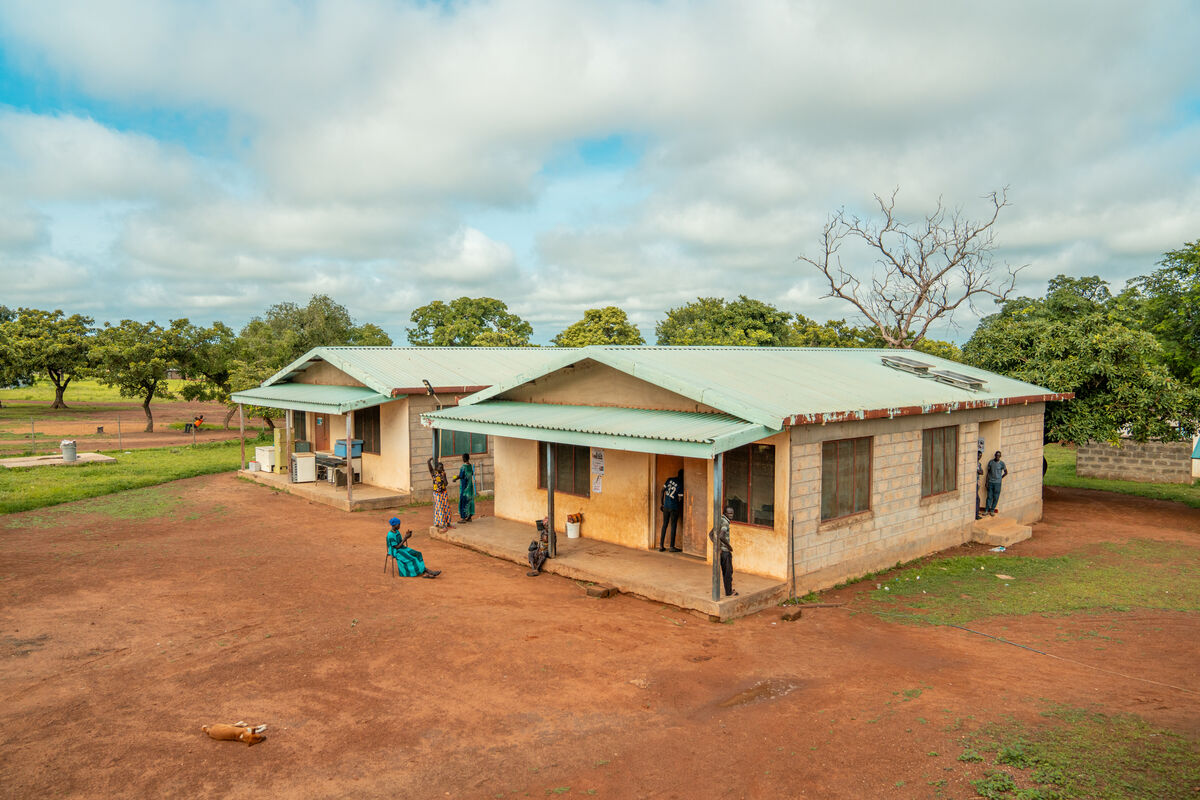
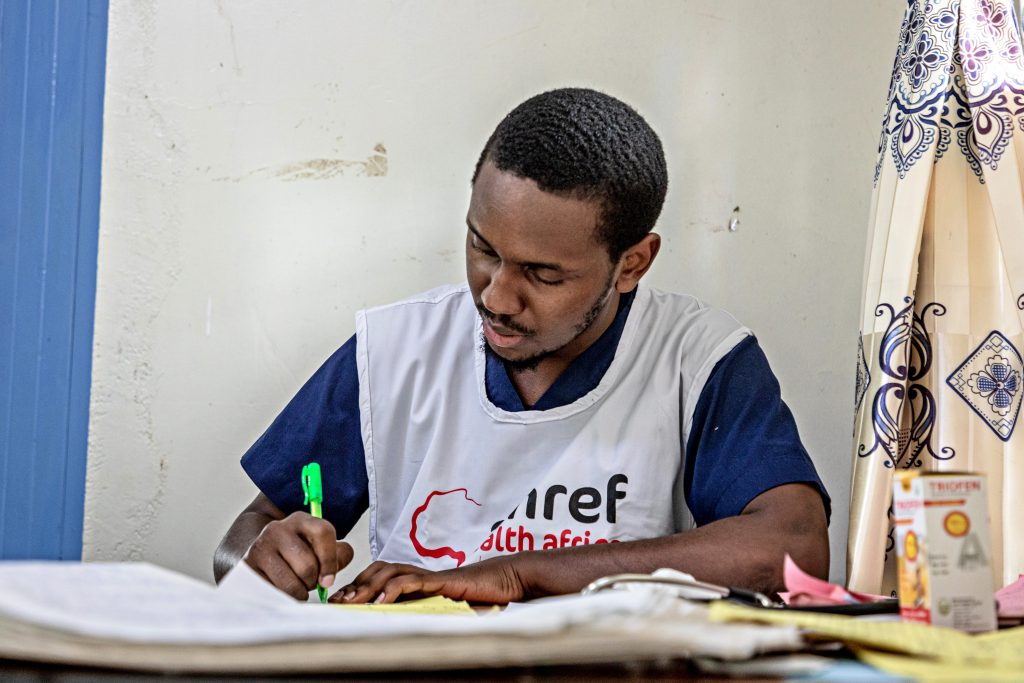
Mvolo Hospital, Lake State, South Sudan (c) Amref Health Africa/Steve Kagia
Why this Ebola outbreak is especially dangerous
Unlike previous Ebola outbreaks,there is currently no vaccine or treatment for this strain.
The outbreak was also detected late, after hundreds of suspected cases had already accumulated. It is spreading in regions facing conflict, displacement, and frequent cross-border movement, making containment much more difficult.
Confirmed cases have already appeared in Kampala (Uganda) and Goma (DRC), two major travel hubs. In South Sudan, where health systems are already under severe strain, prevention is critical.
How is Amref responding to the Ebola outbreak?
We are preparing our response and are already working with Ministries of Health, local leaders, and frontline health workers in Uganda and South Sudan.
In Uganda, Amref is helping to:
Train and equip frontline health workers with essential protective equipment.
Strengthen surveillance and early detection systems at points of entry and within communities.
Lead community awareness campaigns to address misinformation and promote prevention measures.
Support contact tracing and rapid response teams.
In South Sudan, Amref is mobilising to:
Train personnel at high-volume border crossings and airports
Establish isolation and treatment facilities in Nimule, Nadapal, Kaya, and Juba
Support community engagement and health education in border communities
Deploy rapid response teams alongside government partners