Women and water

A stronger Africa starts with clean water

For nearly 70 years, Amref Health Africa has worked with communities across Africa – but more specifically, with women across Africa – to help bring a sustainable source of clean water close to their homes. Women and girls bear most of the burden of sourcing and fetching water in communities across Africa. For many women and girls in rural areas, the time spent doing this means they cannot go to school, work or spend time with friends and family. 

We know that clean water is the foundation of good health. Water is in fact the entry point for many of our projects across Africa. We design sustainable water systems with communities. This process is community-led, because every community has unique needs and contexts, and therefore must have a system that works for them, which they own and manage. This approach helps us to build trusting relationships with them for long-term work. 

Clean water is transformative

Clean water means education. It helps girls to stay in school and fulfil their dreams. Clean water means joy. It helps families to live happy and healthy lives. Clean water means health. It helps reduce disease, improve overall community health, allow girls to manage their periods hygienically. Clean water means life. It helps communities to sustain an income, reduces diseases and improves overall health outcomes so that communities can properly thrive.

This World Water Day, we’re celebrating the hard work that women are doing to ensure that their families and communities can access clean, safe water. Scroll through the snapshot below of our work with women to source, set up and manage clean water systems in their communities.  

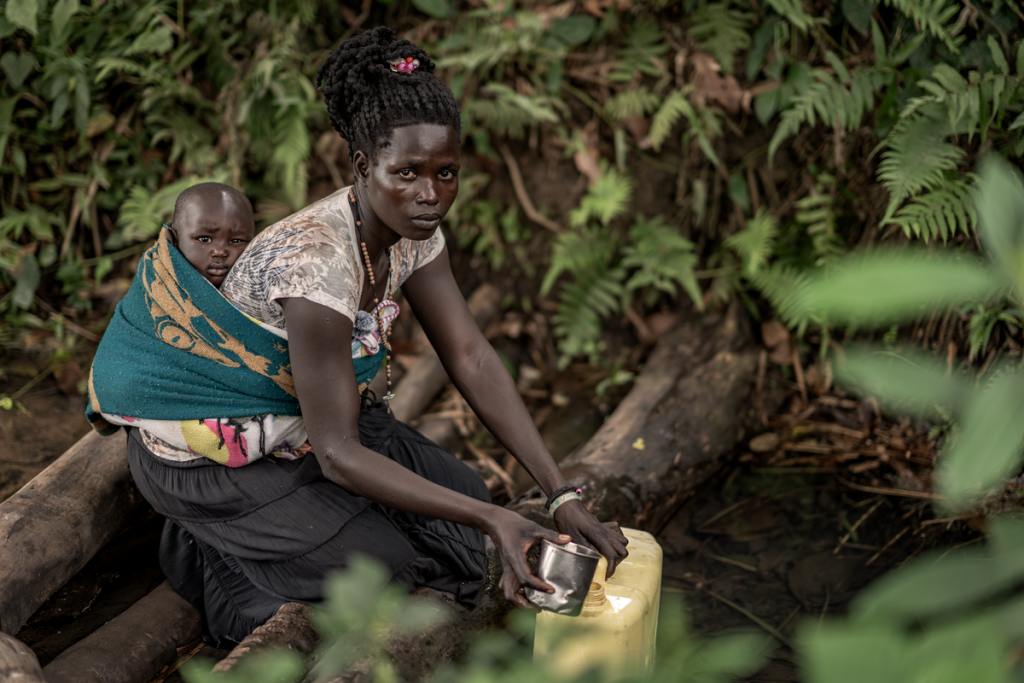
Alice Oroma and her daughter Angel at the old water source in Amuru District, Uganda (c) Amref Health Africa/Steve Kagia

“The walk [to this old water source] used to take thirty to forty minutes, and in the rainy season, the path was slippery. Floodwater ran through the source, so the water became dirty, and we had to wait for it to settle. The place was far, the water contaminated and shared with animals; people drank it and became sick, it even caused body rashes.

“Now, if I go to fetch water, it takes less than twenty minutes, about ten. When I return, I cook on time, greet the children after school, wash clothes promptly, and I feel free.”

– Alice Oroma, aged 25, Amuru, Uganda
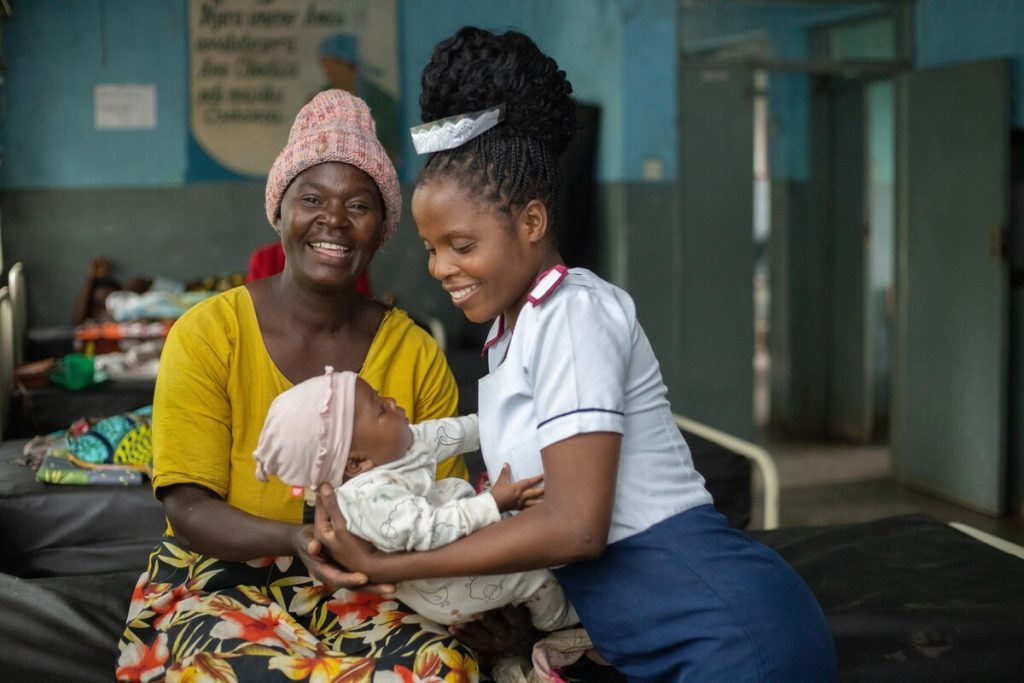
“When I gave birth in 2017, there was no water nearby. We searched everywhere for water, but it was difficult to find. There was a long queue at the borehole, so I got no water. After giving birth, I couldn’t wash myself or my baby. After delivering, you need water to wash [to prevent infection]. I had to just wipe my baby with a small rug that I had. We stayed like that until the next evening when we were discharged. 

“Now that we have water nearby, I was able to take a bath immediately after giving birth [to Fina] and wash everything I had on when I gave birth. I was able to start breastfeeding feeling clean.”

– Roseby Chipilala, Maperere Health Centre, Chikwawa, Malawi

Rachel Mamboni -Nurse and Midwife Technician talking with Roseby Chipilala who has come for a clinic with her 5-month-old daughter Fina at Mapelera Health Centre in Chikwawa.
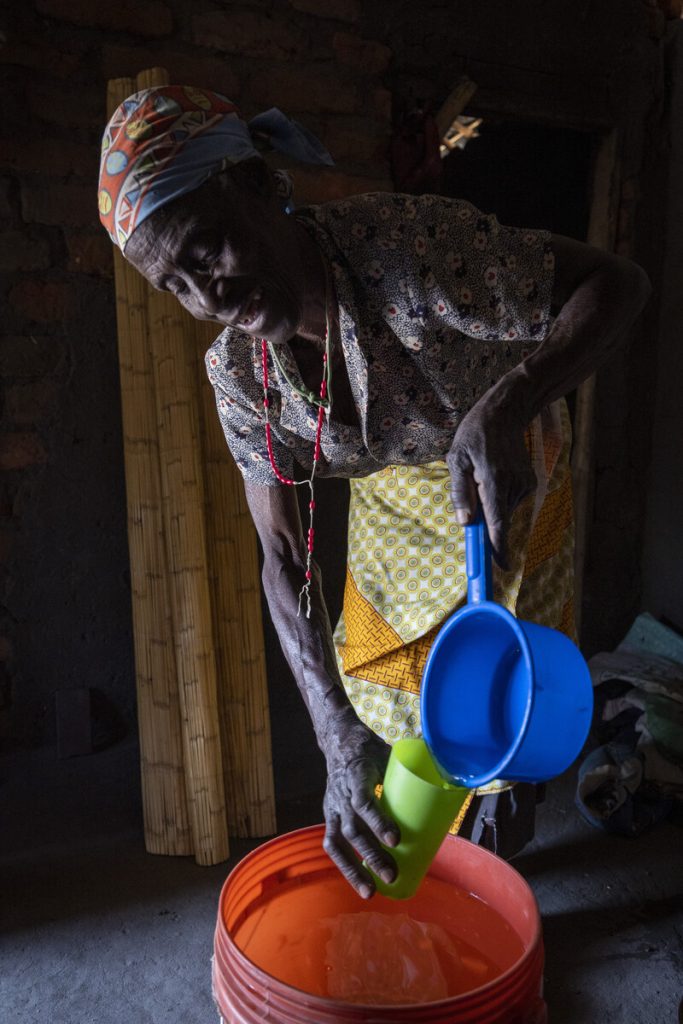
Elistina Godfrey is 80, a grandmother, but she wasn't spared the long walk for water before her village got a borehole. (c) Amref Health Africa/David Brazier/2022

“At first we had challenges in accessing water, and we would fetch water in dirty streams and walk long distances, because of this we would get home with half a bucket of water because we would drink some along the way. 

“In our community water was scarce as it was covered by the forest, boreholes were not available, and the only and first available borehole was at Kwakabwere village and it was salted water. Mostly we were waiting for stream water to settle since they contain dirt. 

Now that we have boreholes we drink clean water. Without boreholes, this situation could have been painful.”

– Elistina Godfrey, aged 80, Chiwamba, Machinga District, Malawi

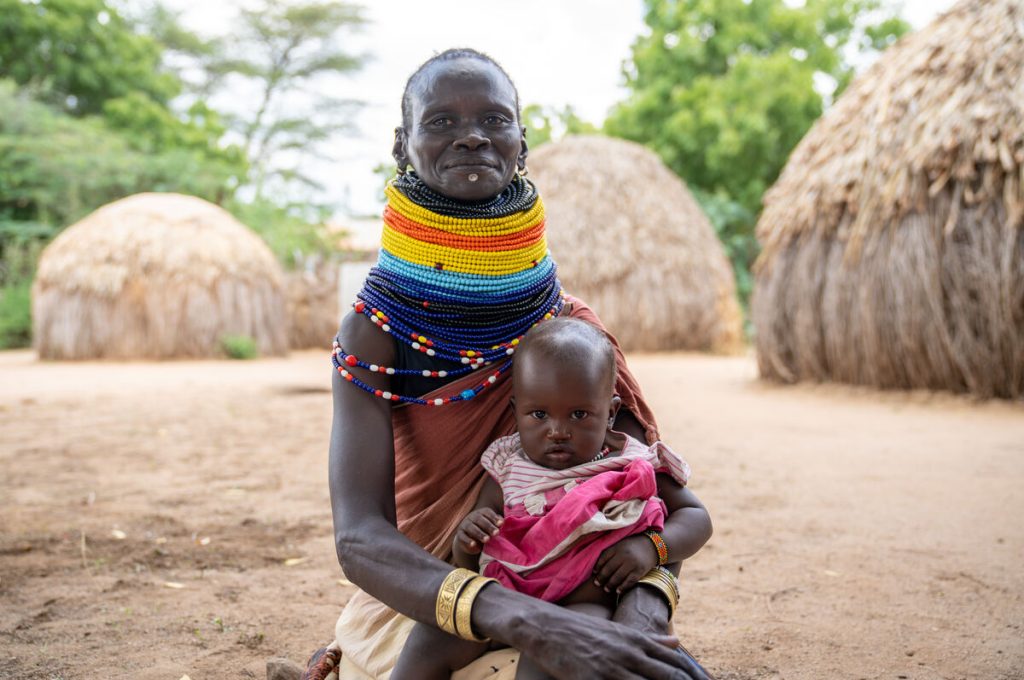
“I have three children and six grandchildren. Since Amref installed water close to my home, things have got better. The children are sick less often, and we have started growing a small garden for vegetables. We do not have to walk so far in the heat for water anymore. The ground is much cleaner too, since people have latrines and open defecation is a thing of the past.”

– Akuleu Etaqba, aged 51, Turkana, Kenya

Akuleu Etaqba (51), lives in the village Lopiding, in Turkana, Kenya close to the border with South-Sudan. On her lap sits her granddaughter. (c) Amref Health Africa/Steve Kagia

Related Articles