Our Vision and Values

Our vision is lasting health change in Africa.

We believe health is a human right. This means that everyone, regardless of their gender, background, wealth or location can access the health services they need without any financial hardship.  

Sustainable Development Goal 3 commits the world to ensuring “healthy lives and [promoting] well-being for all at all ages”. To this end, every UN Member State has agreed to try to achieve the ambitious goal of Universal Health Coverage (UHC) by 2030. 

We are aiming for an Africa with Health for All. 

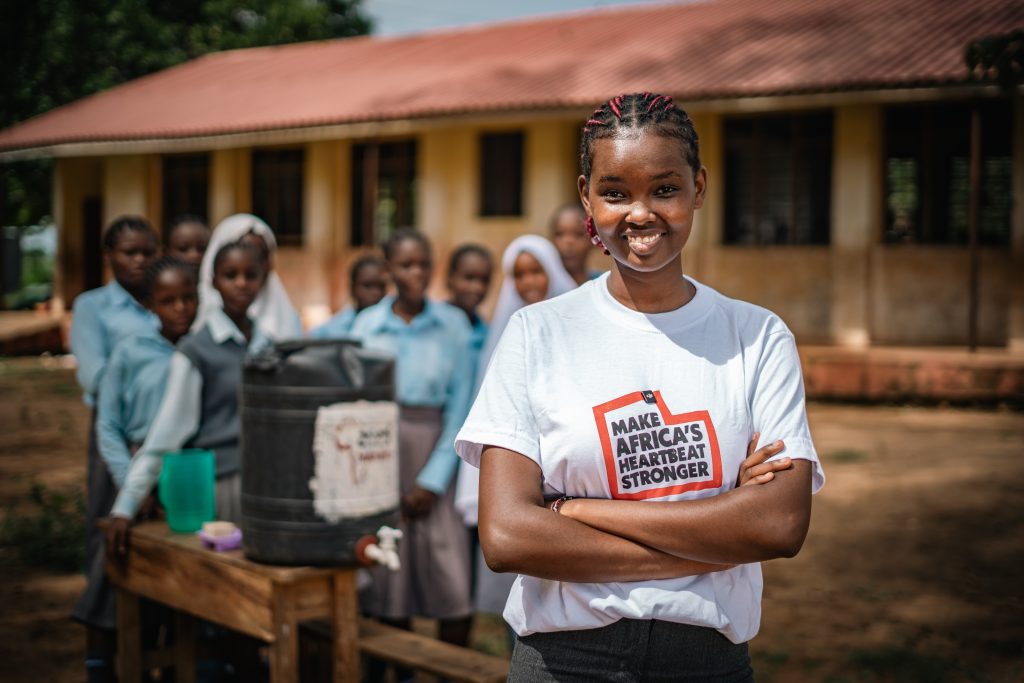
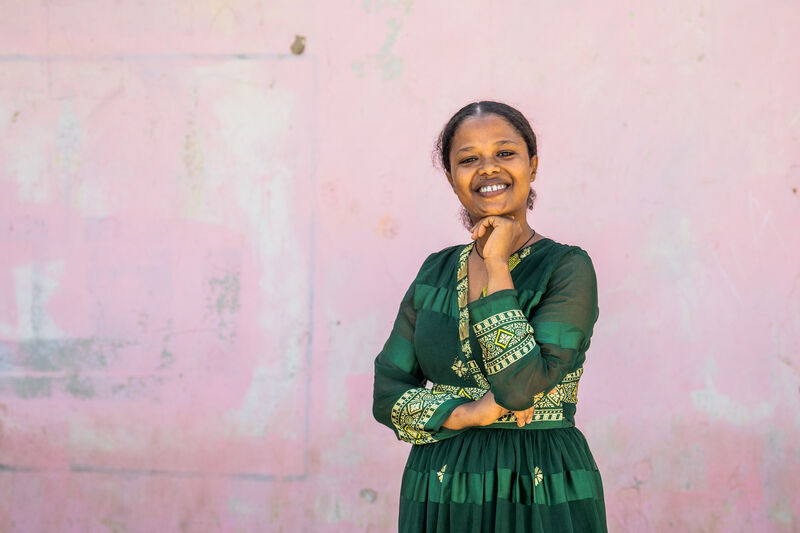
Hermela Asrat, 16, a student at Asaita High School and a member of the Meharebe youth club in Northern Ethiopia © Amref Health Africa / Genaye Eshetu

A stronger Africa is powered by people.

People are not just recipients of health, people are the creators of health. People make decisions that impact their health every day; from what to eat to when to seek health care. They are also the ones who face barriers to health; distance to services, cost to access care, varying levels of trust in the health system.  

At Amref Health Africa, we know that lasting change – meaningful, measurable change that endures over generations – is possible. We are working with the health workers and communities, policy-makers and activists, who are driving forward this change where they are.  

We believe health systems must be designed around people’s lives and needs to be sustainable.  

“For universal health coverage to be universal, a shift is urgently needed from health systems designed around diseases and institutions to those designed around prioritisation of people.”

Throughout our history, Amref has sought to drive change that is community-led – which also makes our work more sustainable. We believe that communities are the key to change. We work with them to identify their unique needs, co-design, and then manage solutions to their health challenges. 

Today, a shift is taking place across Africa that places communities at the centre of health solutions. Health systems thrive when communities lead the way in addressing their own health challenges. 

We are a team—both here in the UK and around the Amref network—that is firmly rooted in our values.

We deliver excellence in everything that we do because we prioritise quality.

We are committed to acting with integrity. We recognise our power and privilege as part of our drive to be an anti-racist organisation, to redress power imbalances, and to work with partners who share this commitment.

We understand we are part of the wider world in the spirit of ‘ubuntu’, our shared humanity, with our primary responsibility being to our mission and the communities we serve.

Our approach and our commitments

Our work is driven by a commitment to equality and equity. This is the bedrock of our strategy, and of our approach.  

It informs how we engage with people in communities and government in our programmatic work. It informs our partnerships, based on shared values and priorities. And, it shapes our organisational culture, and the way we talk about our work. 

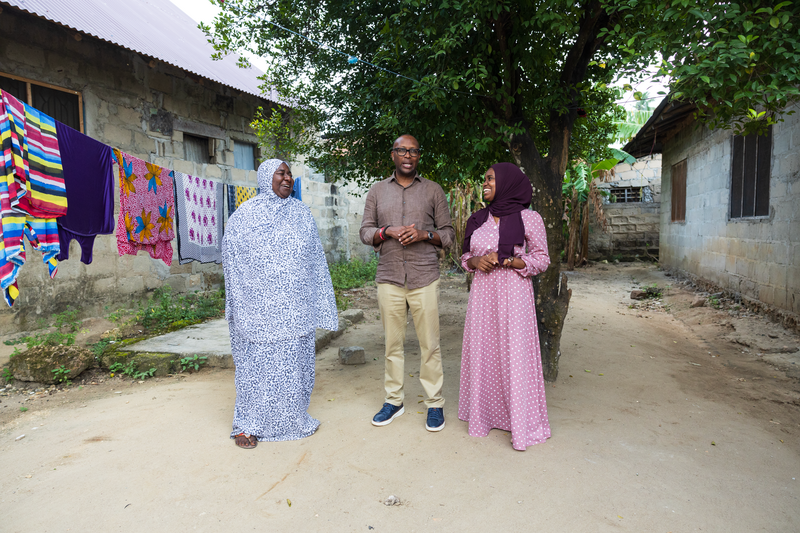
Amref GCEO Dr Gitinji with Amref Tanzania's Dr Rahma and recovered TB patient Bi Hawa. (c) Amref Health Africa/Sam Vox

Safeguarding

Amref is committed to promoting an atmosphere of respect, inclusion, transparency and openness.  

We believe that everyone we work, partner and engage with, regardless of age, gender identity, disability, sexual orientation or ethnic origin has the right to be protected from all forms of harm, abuse, neglect and exploitation. We commit to putting the safety, wellbeing, rights and dignity of the people we work with before anything else. 

Amref Health Africa will not tolerate any form of abuse, wherever it occurs or whoever is responsible. All Amref UK staff sign a Code of Conduct that sets clear expectations of their behaviour and conduct. A similar Code exists for all associated personnel, including Trustees and other volunteers. 

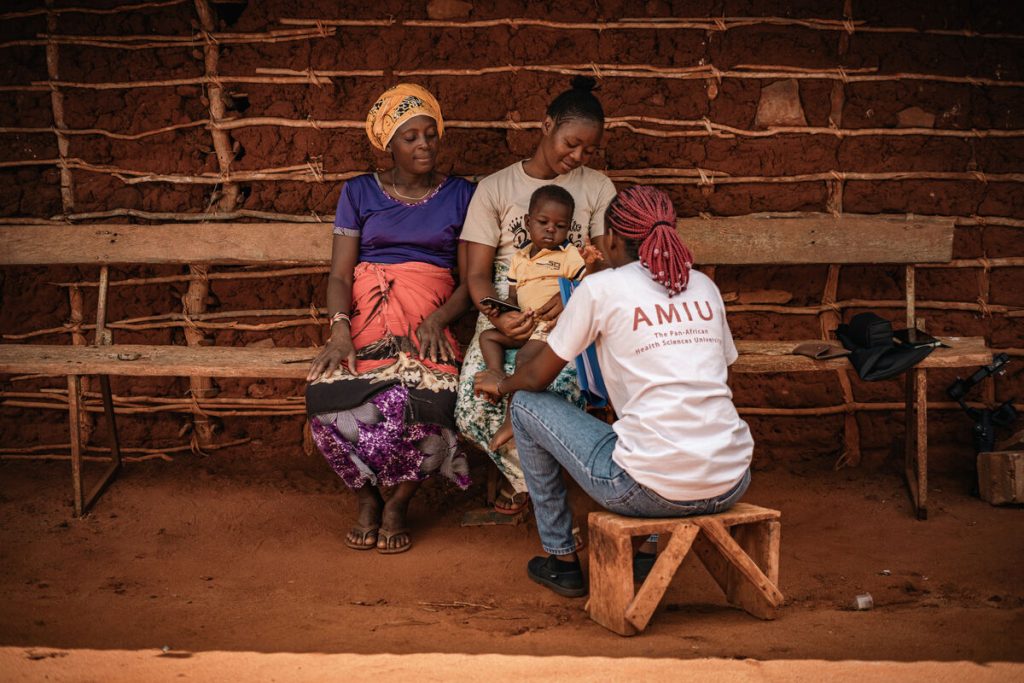
Naomi Sintamei, an AMIU student visits Elizabeth Kasenas
AMIU student Naomi Sintamei visits Elizabeth Kasena's family. (c) Amref Health Africa/Steve Kagi

Anti-racism

We are committed to justice, including racial justice – and we recognise that inequalities intersect and overlap. We stand in solidarity with the Black community in the UK and those fighting for racial justice around the world. 

The global health ecosystem is rooted in, and too often perpetuates, structural inequality. There is much to be done to dismantle existing systems and rebuild them on a more equitable basis. The global health community must work together to ensure that under-represented voices are heard, and that decisions are made by those affected by the outcome. We acknowledge our role in this work in the UK and global health development sectors. This work is vital, and it is urgent. 

Amref Health Africa UK is committed to integrating anti-racist values into everything we do. We are working to foster a truly inclusive culture that aligns with our values and aspirations. We are committed to ensuring that all members of the team are listened to, valued, supported, and able to bring their full selves to work. We acknowledge that we have not always got this right in the past. We are engaged in an ongoing process of thoughtful action backed up by honest, clear-sighted self-reflection. We know that this work requires time, space, and resources. 

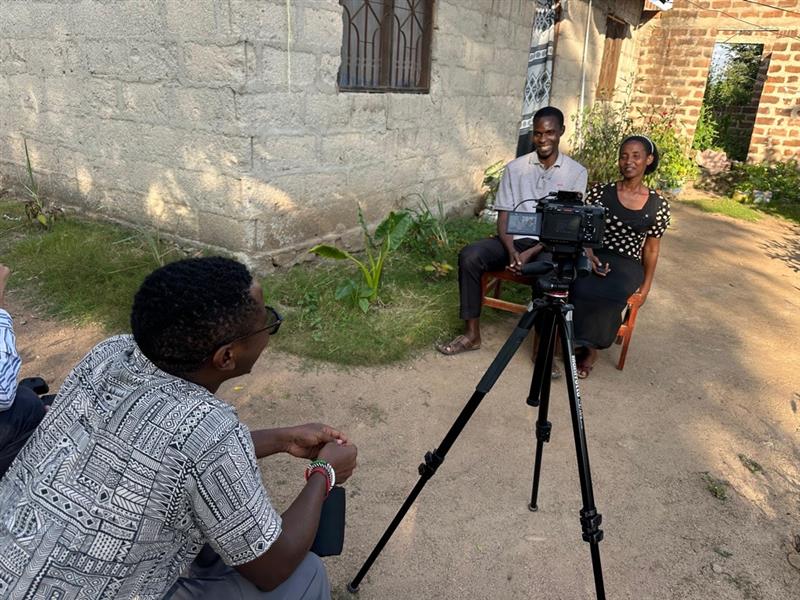
Vivian and Mussa telling their story - Magu, Mwanza, Tanzania

Ethical Storytelling and Representation

At Amref Health Africa UK, we believe that every story should be told with respect, authenticity, and care. The people and communities we work with are at the heart of our mission, and their voices, experiences, and perspectives guide the way we communicate. 

We are committed to telling people-centred, authentic, and power-aware stories that reflect the realities of life — the challenges, the progress, and the everyday moments in between. We avoid stereotypes, use inclusive and thoughtful language, and always seek consent from those we feature. 

Our approach is rooted in collaboration and accountability. We work with local photographers and storytellers, credit and pay them fairly, and share stories with contributors before publication to invite feedback. We also limit the lifespan of images to ensure we portray people truthfully and respectfully over time. 

Above all, we recognise that ethical storytelling is a shared responsibility — one that demands reflection, openness to feedback, and a constant willingness to learn. Through this commitment, we aim to build understanding, amplify voices, and tell stories that uphold dignity and inspire change. 
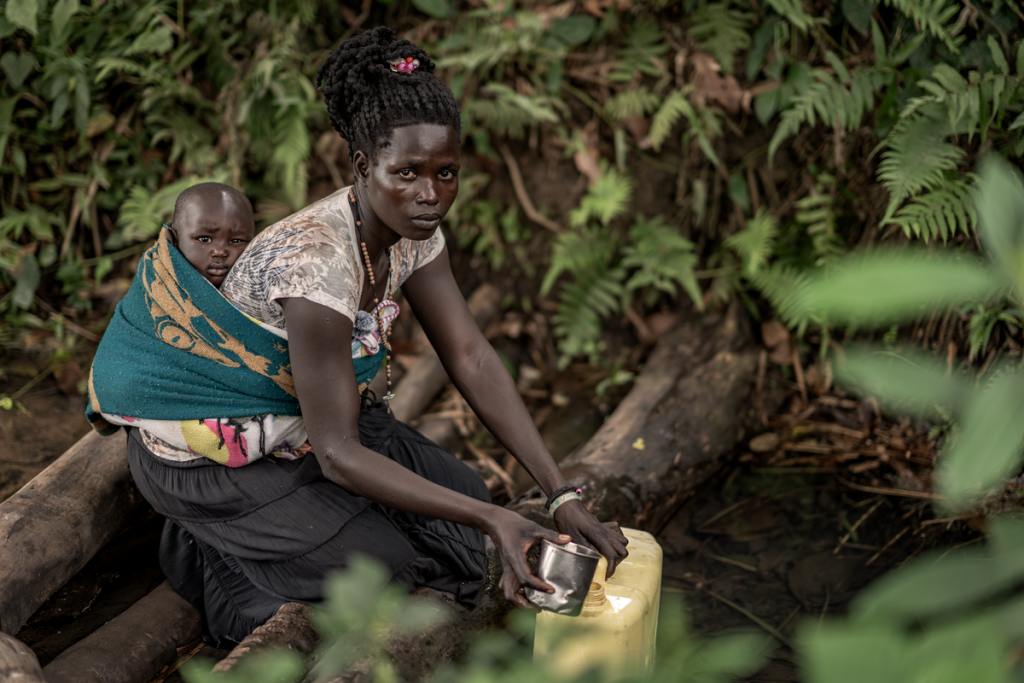
Header image: Mpejiwa and her daughters in Tanzania © Amref Health Africa / Sam Vox

Newsroom: Latest Updates