Primary healthcare for malaria elimination

Primary healthcare for malaria elimination.

Amref and GSK are partnering to strengthen Primary Health Care systems for malaria elimination in Kenya and Zambia. 

Malaria is preventable, but it remains a global health burden.  

COVID-19 accelerated the number of cases and deaths due to malaria across the world. In 2021, there were 247m cases and 619,000 deaths due to malaria. In 2019, pre-pandemic, there were 232m cases and 568,000 deaths due to malaria.  

0 m

new malaria cases per year.

In Zambia, everyone is at

High

risk of Malaria.

These striking statistics show the urgent need to allocate resources to malaria prevention, management and elimination. Africa’s response to malaria is threatened by the scale of the burden, combined with rising biological threats related to climate change, anti-malarial resistance (AMR), and a new mosquito speciesthe Anopheles stephensi. 

Programme aims

Amref is partnering with longstanding strategic partner GSK, to deliver the Primary healthcare for malaria elimination programme. It launched in November 2023 and will run until October 2026 in Kenya and Zambia.  

The project sites include three Zambian provinces (Northern, Luapula and Muchinga) and two counties in Kenya (Busia and Siaya) all selected based on their high burden of malaria.  

The project aims to strengthen primary healthcare systems for improved diagnosis, treatment, prevention, and surveillance of malaria cases in Kenya and Zambia. It prioritises vulnerable groups such as pregnant women, adolescent girls, people with disabilities, their children, and the elderly, aiming to address health inequities by bringing care closer to rural communities. 

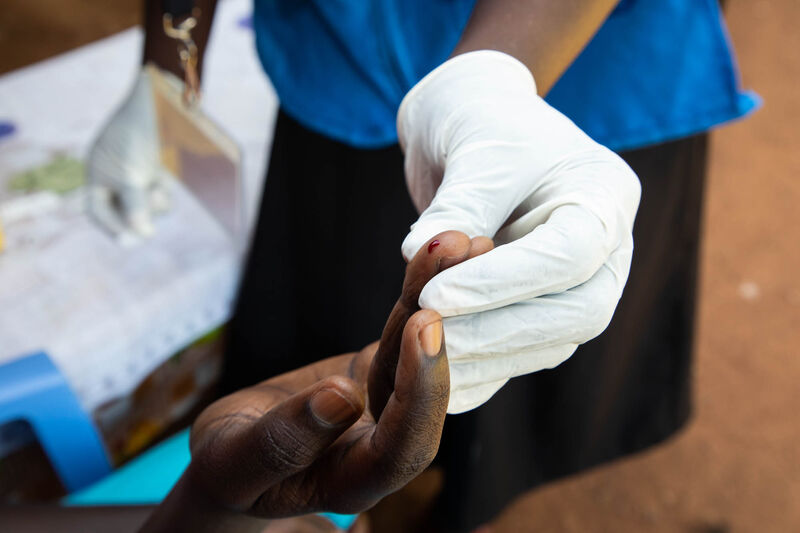
Malaria testing in Siaya County, Kenya (c) Amref Health Africa/Kennedy Musyoka
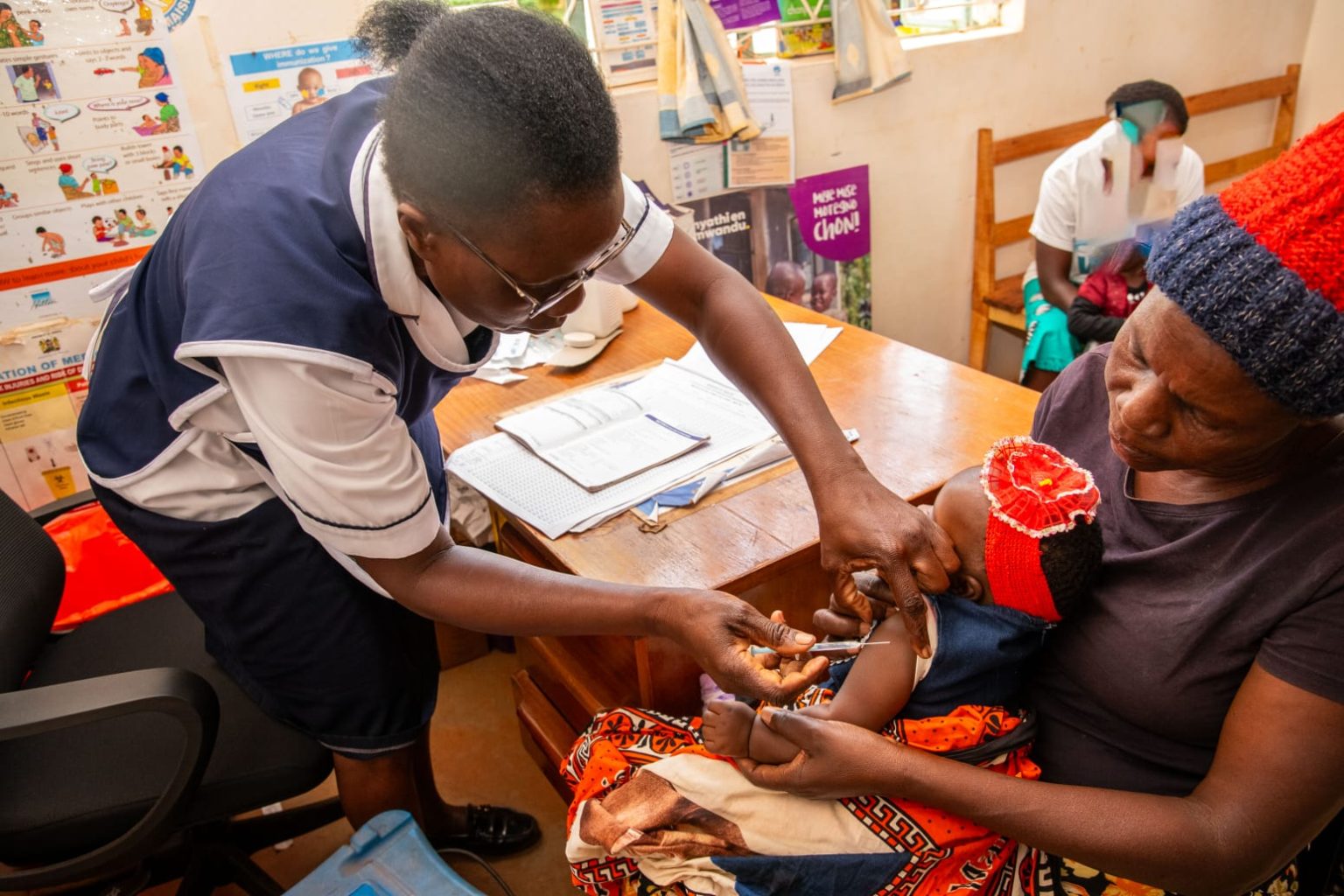
Rosemary Awandu administers a malaria vaccine to a child at Sega Dispensary, Siaya County, Kenya (c) Amref Health Africa/Kennedy Musyoka

Programme activities

  • Increase community awareness on prevention, access to services and vaccines 
  • Strengthen malaria commodity and technology supply chain management systems 
  • Strengthen social accountability for improved prevention, diagnosis and treatment of malaria 
  • Advocate for increased budget allocations for the health workforce and malaria 
  • Strengthen data use for decision-making 
  • Strengthen multisector engagement at national and sub national levels  
  • Strengthen malaria programming including intersectionality with climate change 

Key achievements

In October 2024, both projects in Kenya and Zambia had started implementation and early achievements include:

Social and Behaviour Change Campaigns

Community social and behaviour change campaigns around World Malaria Day in Zambia reached a total of 13,363 community members, and 10,579 people received mosquito nets and screening for malaria through project support. 

A total of 1678 community health workers in both Kenya and Zambia, were trained and will be responsible for raising awareness about malaria prevention and promoting access to malaria diagnosis and treatment services within their communities. The remaining 403 CHWs will be trained in Zambia in the upcoming year. 

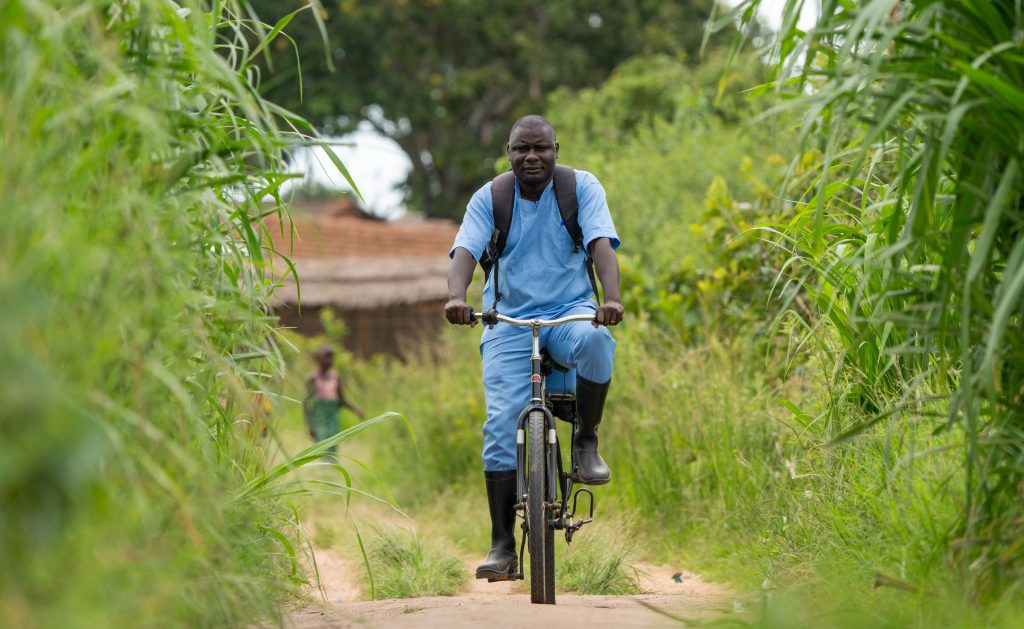
In Zambia, Amref provided essential enablers to Community-Based Volunteers (CBVs) and supervisors to strengthen their ability to carry out their vital community activities more effectively. These enablers including bicycles, backpacks, caps, branded T-shirts and aprons were part of a larger effort to improve the quality and reach of community health services. The incentive package for Kenya will also be issued in the upcoming quarter.  

In Kenya, the project worked closely with the Ministry of Health in the redistribution of Malaria Rapid Diagnostic test kits (MRDTs) in Gem Sub-County, Siaya County to prevent stockouts. With many facilities running low on MRDTs, this initiative-taking measure allowed testing before treatment, which is the gold standard in malaria management. The redistribution of MRDTs was critical in ensuring the continuity of accurate malaria diagnosis and treatment across health facilities in the sub-county. 

To support the accurate and efficient reporting process in Zambia, the project procured 2,000 data registers and 200 mobile phones. The registers are designed to capture key health data at the community level, while mobile phones facilitate real-time data submission and communication, ensuring that community-based volunteers and health facility teams can report their findings promptly. To enhance data transmission and analysis the project will provide tablets and mobile phones to CHW supervisors in Kenya in the subsequent quarter. 

The project team provided technical assistance in the Provincial medium-term expenditure framework (MTEF) meetings and advocated for the prioritization of malaria-related activities in funding discussions in Kenya. This activity will gather pace, and outcomes are expected from year 2 onwards in both countries.  

 In Zambia, the project provided support to NMEC and worked with other partners including USAID PAMO plus, PATH and district teams to conduct comprehensive multi partner monitoring of malariarelated activities.

With thanks to GSK for its support of the programme, and its continued commitment to tackling the malaria burden in Africa. The Amref-GSK partnership started more than 35 years ago with an impregnated mosquito net distribution project in Kenya.

We are pleased to continue our work together using the latest tools and techniques to get ahead of disease and create lasting health change.

Newsroom: Latest Updates