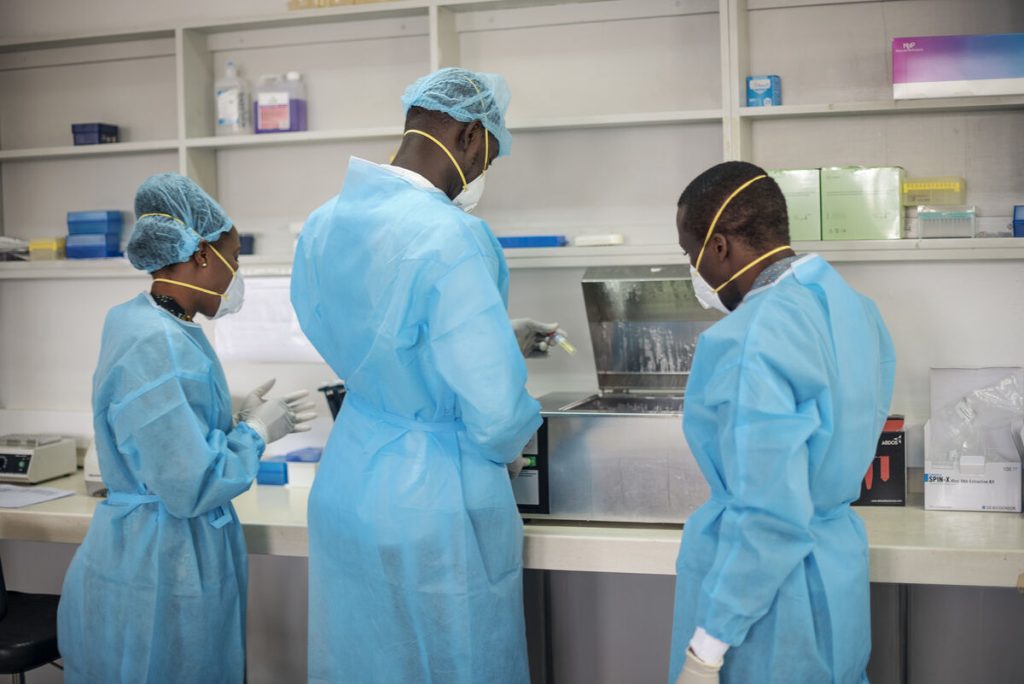
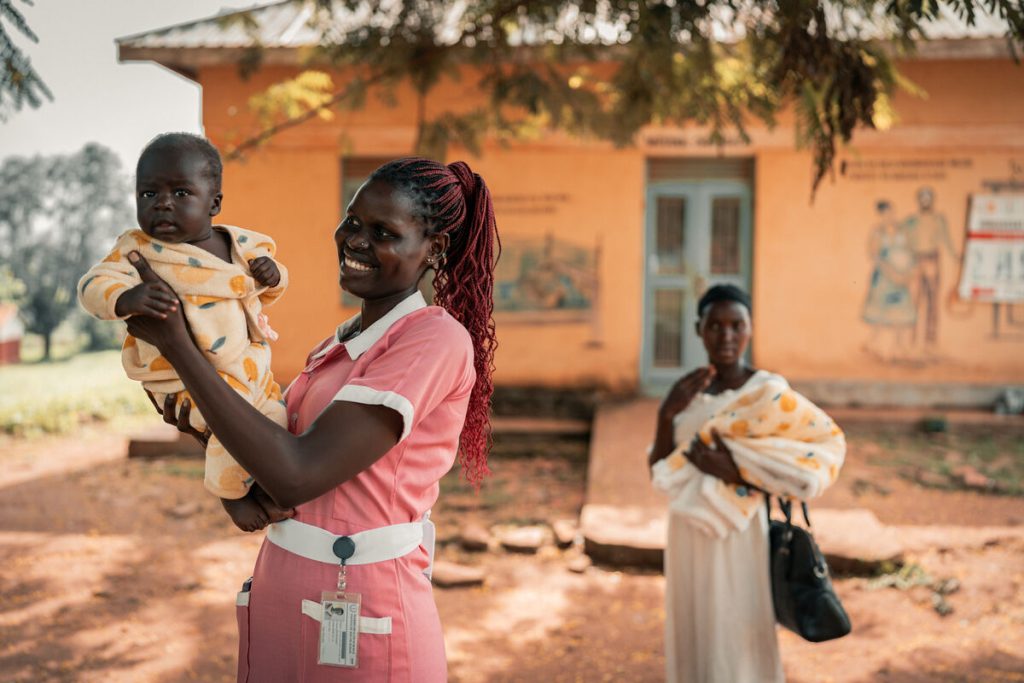
The One Health approach—linking human, animal, environmental health—will only advance if partners move beyond siloed thinking and into practical, shared action.
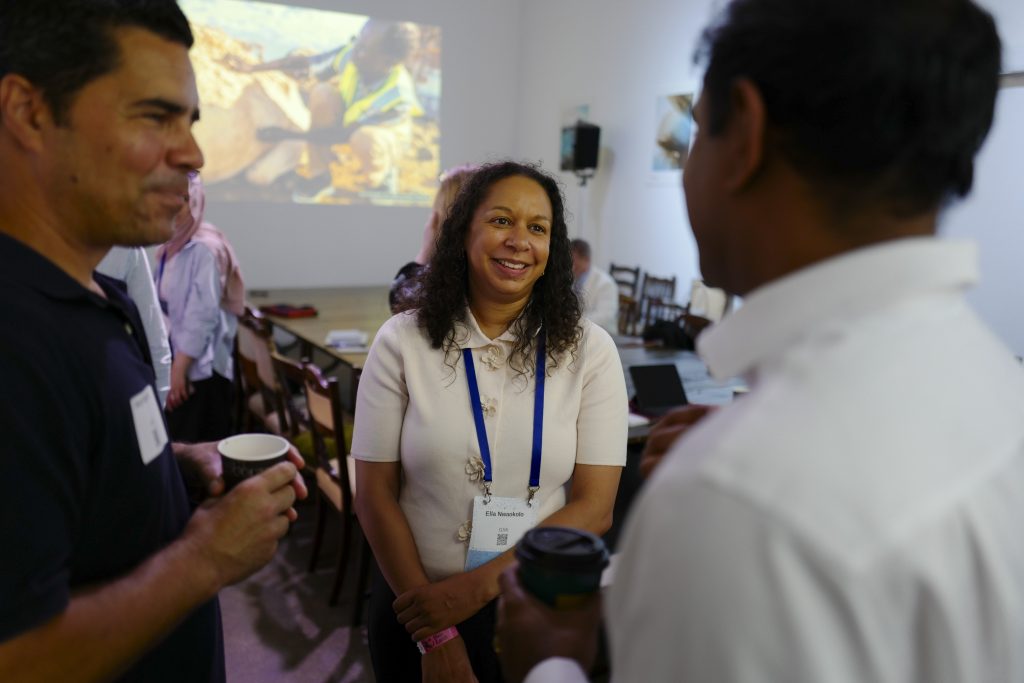
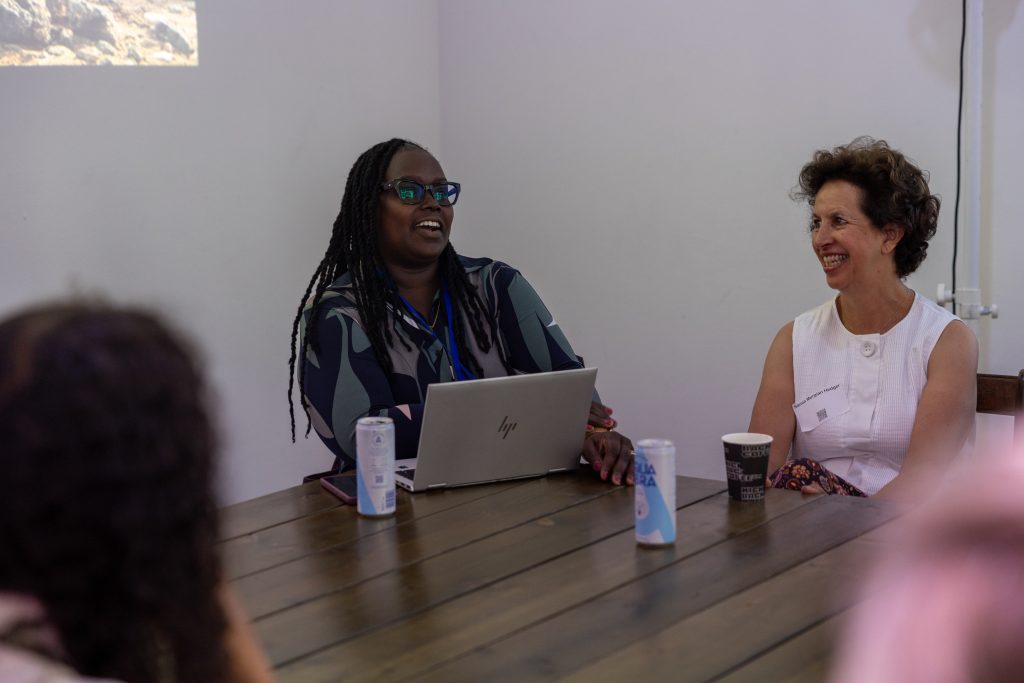
At the Amref–GSK roundtable, hosted in the Blue Earth Forum during London Climate Action Week, we brought together government, private sector, civil society leaders from across human, animal and environmental health sectors to discuss what we are seeing working, what barriers to progress we’re encountering and the next steps we need to take to cement joint action for One Health progress.
1. Financing for integration, not fragmentation
Current funding structures are a major barrier. Siloed streams make it difficult to design programmes that cut across climate and health, despite their deep interconnection.
Around the table, there was a strong call for co-funding models between governments, philanthropy and the private sector, alongside better framing of proposals to align with funders’ priorities. Crucially, demonstrating economic value, including the cost of inaction, is essential to unlocking investment at scale.
2. Community and NGO leadership is non-negotiable
Solutions must be grounded in local realities. NGOs and communities are best positioned to identify needs, co-design interventions and build trust.
Participants acknowledged that prevention must be the focus, but that there is a persistent challenge of proving the short-term value of these programmes. Elevating community-led models, and ensuring they shape both programme design and policy, was seen as a critical shift.
3. Data and evidence must be relevant, shared and actionable
While evidence is central to making the case for integrated approaches, roundtable discussions stressed that not all data is equally useful.
What is needed is shared, cross-sector data that reflects real-world complexity and supports joint decision-making. Participants highlighted the need for common indicators, better integration of climate and health datasets, and clearer communication of findings to policymakers and funders.
Ultimately, there is existing data that we know can help us understand the climate and health nexus. If shared and integrated, this can tell us a holistic story on which we can better plan and act.
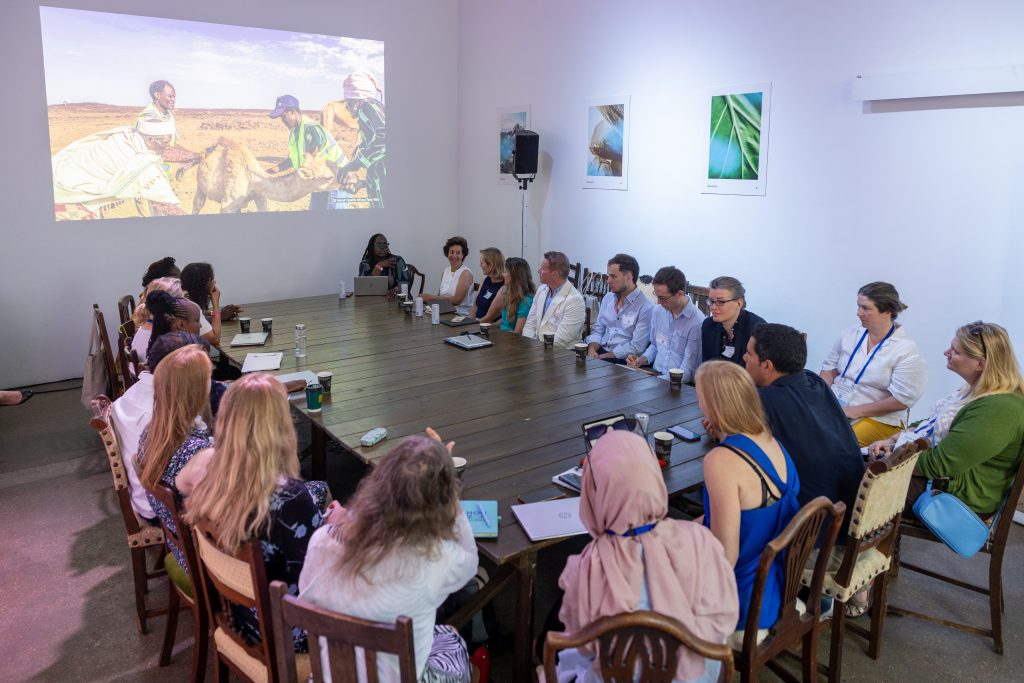
4. Co-creation can unlock scalable models
The roundtable emphasised the importance of designing integrated “test cases” through collaboration between NGOs, funders and governments.
Rather than top-down policy dictating action, participants advocated a dual approach: bottom-up innovation informing policy, and policy enabling scale. Demonstration projects were seen as a powerful way to generate the evidence and confidence needed for broader adoption.
5. Strong, central governance accelerates progress
Fragmented ownership across sectors continues to slow implementation.
Successful examples, such as Senegal’s One Health approach, show that progress is faster when leadership is centrally coordinated—often from within or mandated by the President’s office—rather than confined to a single ministry. Shared accountability, political leadership and visible champions were all identified as critical enablers.
From policy to practice
The discussion highlighted meaningful implementation as the priority, shifting from developing frameworks to putting them into practice.
With climate change, the rising threat of antimicrobial resistance (AMR) and health outcomes increasingly intertwined, the opportunity now lies in aligning finance, data, governance and community leadership behind genuinely integrated solutions.
The challenge and the urgency is turning consensus into action.